Cin7 vs Acumatica is a common shortlist for consumer goods brands that have outgrown QuickBooks and spreadsheets, and it is a strange one, because the two products sit at different altitudes. Cin7 is an inventory and order management platform that pairs with your existing accounting software. Acumatica is a full cloud ERP with a general ledger at its core, implemented through a partner network. Brands end up comparing them anyway, because both promise the same outcome: one system that keeps inventory, orders, and purchasing in sync as the business scales.
The comparison matters because the failure modes are opposite. Choose Cin7 and you risk hitting its ceiling in two years, running your operation on workarounds while you plan a second migration. Choose Acumatica and you risk a heavy implementation and a system your team bends around, with a consultant in the loop for every change. Either way, the switching cost lands on the operations team.
This comparison covers what each platform does well for consumer goods brands, where each strains, how they differ on the dimensions that matter operationally, and a third option built to avoid both failure modes.
Cin7 at a Glance
Cin7 is inventory and order management software aimed at product sellers moving past entry-level tools. It comes in two flavors: Cin7 Core (formerly DEAR Systems), the lighter option covering purchasing, inventory, and multichannel orders, and Cin7 Omni, which adds warehouse features and native EDI connections for retail programs. Both connect to Shopify, Amazon, Xero, and QuickBooks, and both can be live in weeks rather than months.
Cin7's strengths are accessibility and channel coverage. Entry pricing is attainable for brands under $10M, setup does not require a consulting engagement, and the integration catalog covers the mainstream e-commerce stack. For a brand with one warehouse, a manageable SKU count, and a straightforward supplier base, it is a sensible first operations system.
The constraint is depth. Financials stay in your accounting package, so margin reporting depends on how cleanly costs sync between systems. Complex workflows, multi-entity structures, co-manufacturer visibility, and heavy landed-cost allocation push past what the platform models comfortably. Operators tend to describe the same arc: Cin7 worked, then the business added a second warehouse, a big-box retailer, or a few thousand SKUs, and the workarounds started stacking up.
Acumatica at a Glance
Acumatica is a mid-market cloud ERP with financials, distribution, manufacturing, and CRM modules on one platform. Its Distribution Edition is the relevant package for consumer goods brands: purchase orders, inventory across locations, sales orders, and requisitions, all tied directly into the general ledger. Pricing is consumption-based rather than per-user, which suits companies that want many employees in the system.
Acumatica's strengths are financial depth and platform breadth. Multi-entity consolidation, deferred revenue, project accounting, and audit-ready financials are native, not bolted on. The platform is genuinely more open than legacy competitors, with a published API and a large independent software vendor ecosystem.
The constraint is the delivery model. Acumatica sells and implements through value-added resellers, and a Distribution Edition implementation is typically a 4-9 month project with meaningful services cost before the first PO flows through the system. Ongoing changes, new workflows, custom fields on transactions, and new integrations usually route back through the partner. For a consumer goods brand whose channel mix and supplier base shift every quarter, the metronome of change requests becomes the real cost of ownership.
A Third Option: DOSS Operations Platform
Many brands comparing Cin7 vs Acumatica are actually asking for something neither delivers: the depth of an ERP without the rigidity and services dependency. DOSS is a composable operations platform for physical-product businesses that manages procurement, inventory, orders, and finance in one system, built so that operators, not consultants, change how it works.
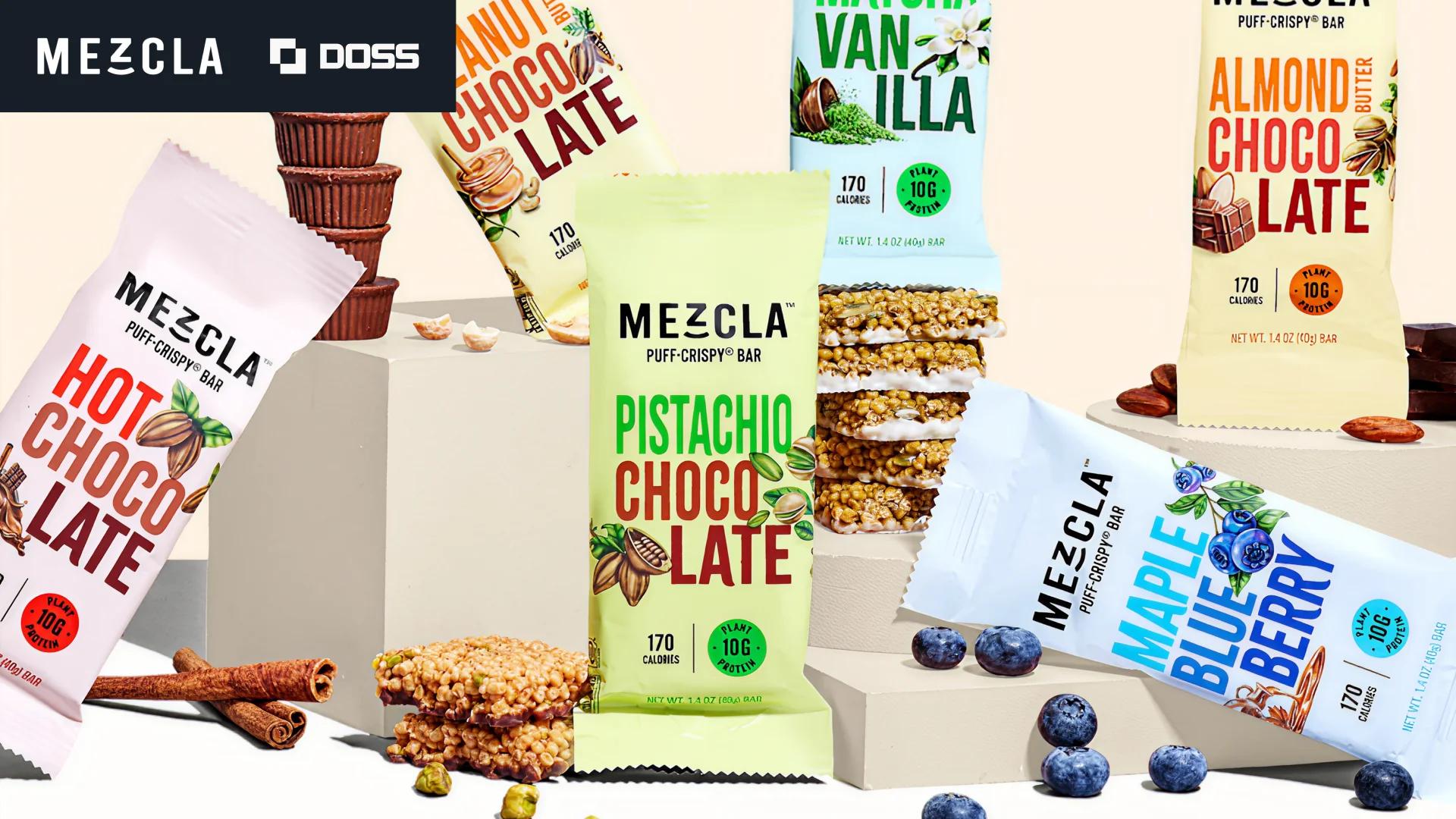
The architecture is the difference. DOSS runs on an Adaptive Resource Platform (ARP) with Unified Master Data (UMD) underneath, so purchasing, inventory, and orders share one governed data model, and workflows are modified in minutes through a no-code builder. Integrations to 3PLs, marketplaces, EDI partners, and accounting systems are native, 70+ of them, rather than third-party connectors. Customers typically go live in 4-6 months with iterative value along the way, and the team that implements the platform is the same product team that builds it. Mezcla saved 12+ hours per week and doubled PO processing speed on DOSS; Verve Coffee Roasters cut unbatched orders from 30% to 1% and saved 20+ hours weekly across its team.
Keep DOSS in frame as the feature comparison below plays out, because it changes the tradeoff: the choice stops being depth versus speed and becomes a question of which system adapts when the business changes.
Cin7 vs Acumatica: Feature-by-Feature
Inventory and Order Management
Cin7 covers multichannel inventory and order sync well at moderate complexity: multiple warehouses, basic assembly, batch tracking on Core, and native retail EDI on Omni. Acumatica's distribution module is deeper on purchasing workflows, replenishment logic, and warehouse transactions, but the operational features assume you configure them during implementation and revisit them through your partner. DOSS models inventory, orders, and purchasing on one data set, so allocation, backorders, pre-orders on out-of-stock SKUs, and mixed 1P/3PL warehouse setups work without reconciliation between modules.
Financials and Margin Visibility
Acumatica wins on native financials against Cin7 by definition: the GL is the product's core, and consumer goods brands with multi-entity structures get consolidation without a second system. Cin7 relies on Xero or QuickBooks, which is fine at moderate scale and increasingly brittle as transaction volume and cost complexity grow. DOSS takes a third path: full operational costing, landed cost, and real-time margin by SKU, order, and channel in DataStudio, with a clean bridge to your general ledger, so finance keeps its system of record and operations gets live numbers.
Integrations and EDI
Cin7's connector catalog is broad for e-commerce, and Omni includes EDI for major retailers. Acumatica's ecosystem is large but partner-shaped: connectors exist for most needs, and wiring them into your workflows is implementation work. DOSS ships 70+ native integrations across 3PLs, EDI, marketplaces, and accounting, and new connections typically come online in hours to days because the integration layer (IDP) is part of the platform rather than an add-on.
Implementation, Change, and Total Cost
Cin7 is the fastest to start: weeks to go live, low upfront cost, and a real chance of a second migration inside three years if you grow. Acumatica is a committed project: months of implementation, services fees that often rival the software cost, and partner involvement for ongoing change. DOSS lands at 4-6 months to full go-live with iterative value earlier, no consultant dependency for workflow changes, and pricing that scales with revenue rather than modules, which keeps five-year cost predictable.
One more cost line deserves attention in any Cin7 vs Acumatica evaluation: the cost of the migration you have not planned yet. Brands that pick the lighter tool typically pay for two implementations inside five years, the one they budgeted and the re-platform they did not. Brands that pick the heavier tool pay the difference in change requests and shelfware modules. Total cost of ownership comparisons that stop at license fees miss where the money actually goes.
Cin7 vs Acumatica: Which Should You Choose?
The honest answer depends on which problem is loudest and how fast the business is changing. Three profiles cover most consumer goods brands running this evaluation.
Consider Cin7 if you are under roughly $10M in revenue, your operation is genuinely simple, and speed to a working system matters more than how long the system will fit. It is a good first step out of spreadsheets, priced accordingly.
Consider Acumatica if your pain is primarily financial: multi-entity consolidation, audit requirements, or a controller who needs a real GL with distribution attached, and you have the budget and appetite for a partner-led implementation and a partner-mediated future.
Consider DOSS if your pain is operational: procurement, inventory accuracy, channel complexity, and margin visibility, and you want ERP-grade depth that your own team can reconfigure as the business changes. DOSS Operations Cloud connects procurement , inventory , and order management on one composable platform, integrates with the accounting and e-commerce tools you already run, and is designed to be the last operations migration you make.
The Bottom Line
Cin7 vs Acumatica is really a choice between a system you will outgrow and a system you will bend around. Cin7 gives consumer goods brands a fast, affordable start and a ceiling; Acumatica gives them depth and a services relationship for the life of the system. Both can work. Neither adapts at the speed a scaling consumer goods brand changes.
If the reason you are shopping is that your current tools cannot keep up with how fast the business moves, evaluate the option built for exactly that. DOSS Operations Cloud deploys in months, adapts in minutes, and keeps inventory, orders, procurement, and margins in one place. Book a demo and compare it against both.