




The revenue is there. The demand is real. But at some point, most CPG brands hit the same wall: operations that worked at an earlier stage start breaking down at the current one.
It’s not a talent problem. The ops teams running these businesses are sharp, scrappy, and resourceful. The problem is foundational. More SKUs, more channels, more 3PL and co-manufacturing relationships, more retailer compliance requirements — and the same patchwork of spreadsheets, point solutions, and disconnected tools trying to hold it all together.
That foundation doesn’t just slow things down. At some point, it becomes the constraint on growth itself.
This blog looks at how three CPG brands hit that inflection point and what they did differently to scale past it: Verve Coffee Roasters , Mezcla , and Spread the Love . Their operations are different. Their challenges, structurally, were not.
Why CPG Operations Break at Scale
A CPG business at $5M is operationally manageable. Production runs go in one spreadsheet, inventory in another, orders in a third. It works — until it doesn't.
“With all startups, you’re working with spreadsheets, duct tape, and login portals,” said Antonio Landa, Senior Operations Manager at DeSoi . “That only works for so long. As you start to scale, you start seeing those cracks.”
The pattern is specific. Each new channel doesn’t just add one workflow. It multiplies the interaction surface between procurement, inventory, and orders. A new retail account means new compliance requirements, new EDI connections, new receiving windows. A co-manufacturing relationship means production schedules, ingredient tracking, and COGS calculations that have to relate back to your inventory system. None of that is trivial, and none of it connects automatically.
The result: ops teams spending hours per day reconciling data from systems that don't talk to each other, instead of using that data to run the business. Decisions that should take minutes take days. Problems that should surface in real time show up at month-end close.
For most CPG brands, the first instinct is to add headcount. Hire another ops coordinator, another analyst, another person to own the spreadsheet. That buys time. It doesn’t solve the problem, and it doesn’t scale.
Verve Coffee Roasters: 46 Hours of Admin Time Back Per Week
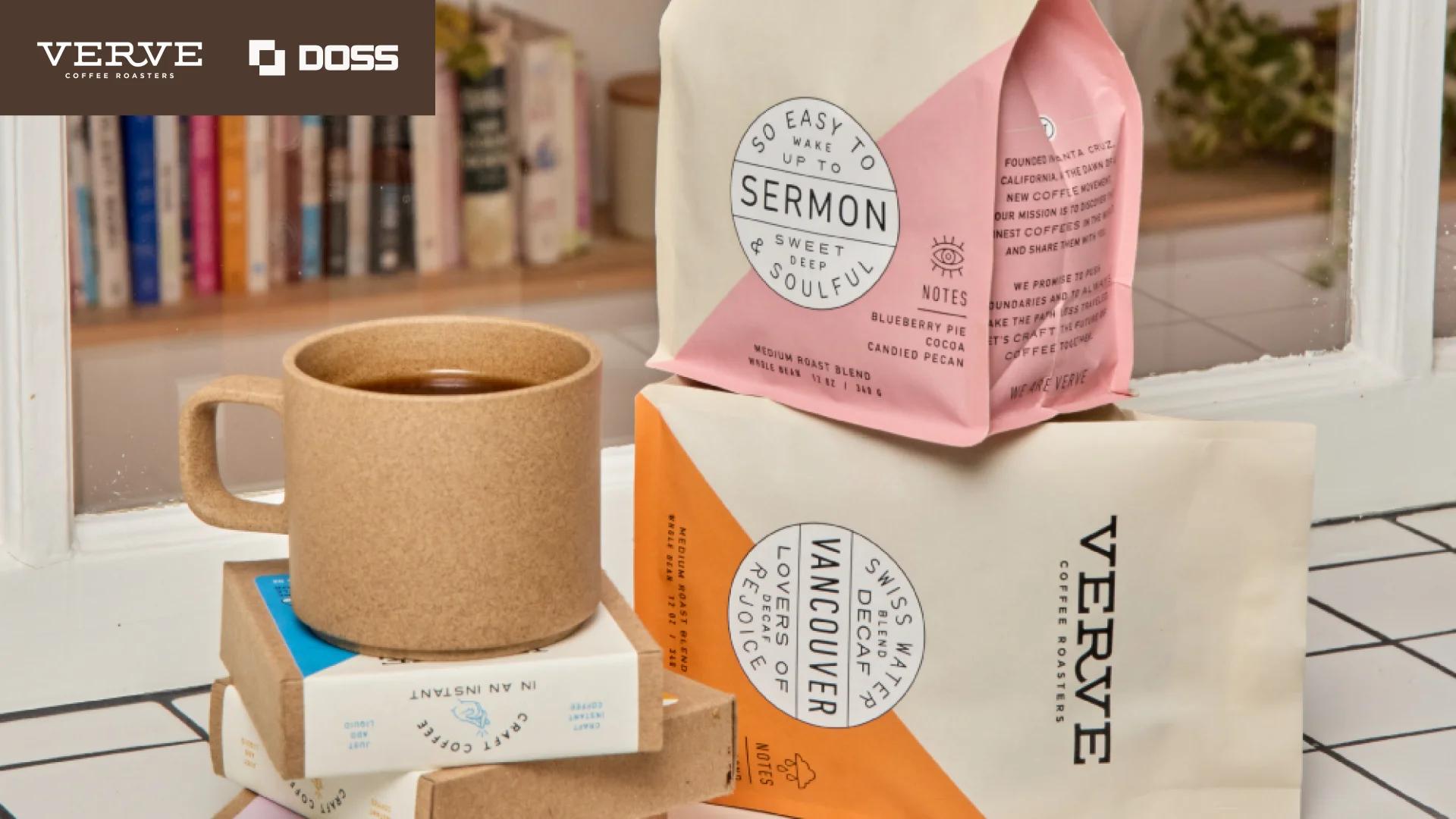
Verve Coffee Roasters has spent nearly two decades making exceptional specialty coffee. Born in Santa Cruz and now spanning cafes, grocery, wholesale, and DTC across the US and Japan, Verve has built the kind of customer loyalty most consumer brands spend years chasing. The product has always been there. Their operations, for a long time, hadn’t caught up.
Verve’s supply chain has roughly 20 touchpoints between the coffee picker and the barista. Managing that at scale, across every channel, meant data living in five or more disconnected systems: Google Sheets, QuickBooks, Shopify, Toast, and point-of-sale systems across cafe locations — each with its own reporting, each with its own gaps.
Anthony Fassio, Chief Retail and Operations Officer, described the state plainly: “We had these non-integrated systems that had the data there, but we didn’t really have access to it. We didn’t have a way to bring it all together — to inform us not just for results, but to make decisions as we look to grow the organization.”
The day-to-day cost was concrete. Setting up a production day took three to four hours of manual work before a single order could go out. Late payments. Overpromised delivery windows. Unbatched orders running at 30%.
Verve evaluated conventional ERPs, including NetSuite, and considered continuing to build out a homegrown IT solution. The homegrown path had a real liability: a small number of people holding it together with no room to scale. The legacy ERPs were the other problem. They would have required Verve to rebuild workflows around the system’s constraints rather than the other way around — and at a company operating across cafes, wholesale, DTC, and international simultaneously, there was no clean template to conform to. A multi-year implementation that forced process standardization would have broken what made Verve’s operations work.
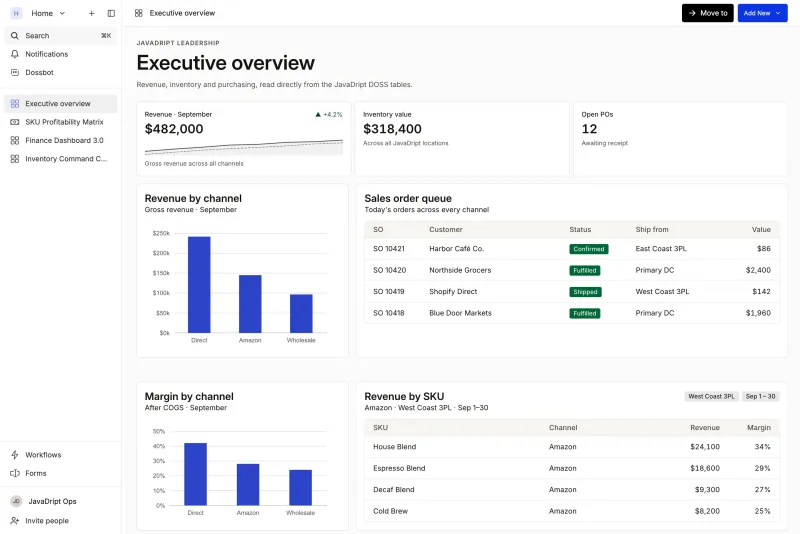
DOSS went live without ripping out Verve’s existing systems. It sat on top of them first, pulling data into a unified layer and giving the team a single source of truth across procurement, inventory, and orders. The architecture adapted to Verve’s existing stack rather than replacing it — which meant the team saw operational value without waiting through a full migration. Batching went from a multi-hour manual process to a single click. Real-time margin and cost visibility replaced snapshot reporting.
Admin time across the operations team went from 46 hours per week to less than one. Unbatched orders dropped from 30% to 1%. More than 20 hours per week were freed up across the manufacturing team alone.
“If you’re using fragmented systems, get out immediately,” Anthony said. “The momentum and the value of an integrated system is way more powerful than it may seem.”
Mezcla: 12+ Hours Back Per Week and a System That Scales With the Business
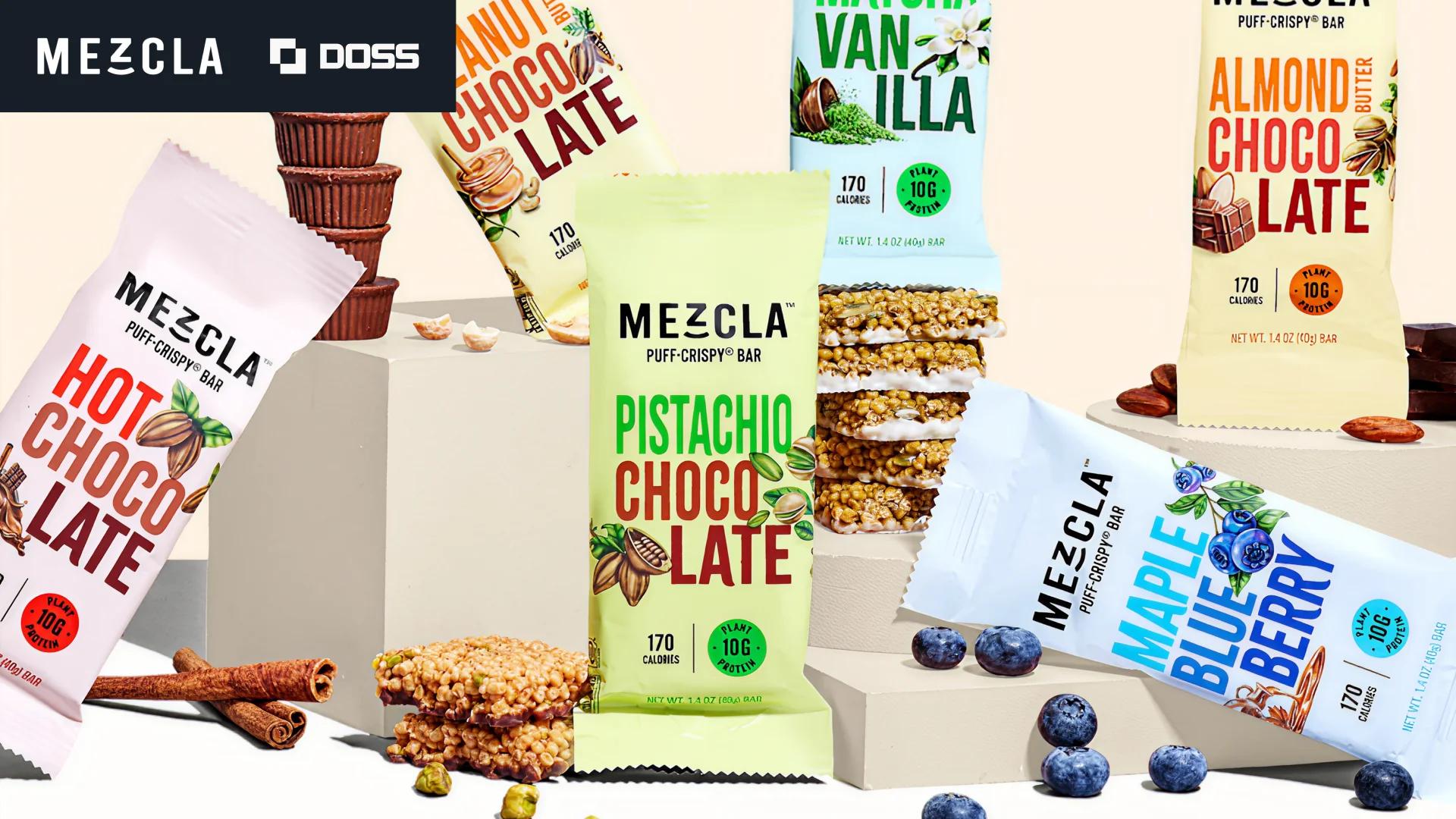
Mezcla has been on a steep growth curve since 2020, with revenue doubling year over year. Their globally inspired, plant-based protein bars are now in Whole Foods, Sprouts, Kroger, and Albertson’s, as well as regional grocery chains, gyms, and specialty shops across the country.
When Justin Grender joined as Senior Operations Associate to manage the entire order-to-cash process, he inherited a patchwork: Airtable for order management, Owlery for freight quoting, QuickBooks for accounting, and spreadsheets to consolidate reporting across all of it. Orders came in through email and SPS Commerce (EDI). Every one of them required Justin to manually key the details into Airtable and QuickBooks by hand.
The risk wasn't hypothetical. “I would get orders via email or EDI and have to note all of these orders down one by one into our old OMS, which was Airtable — basically a centralized spreadsheet. It was a very tedious task. If I fat-fingered something, a decimal point off could move our revenue the wrong way.”
On top of that, Mezcla sends a high volume of product samples to marketing events, brokers, and potential customers. Jeng dela Cruz, Senior CX Analyst, was manually filling out forms and entering each sample shipment directly into ShipBob. For a team focused on hitting OTIF targets and scaling into new retail accounts, the stack would become unworkable within 12-18 months.
Mezcla evaluated larger ERPs and ruled them out on two counts: cost and fit. Traditional ERP implementations come with months of consultant-led configuration before the business sees any value — and that configuration locks operations into a static structure. For a brand growing as fast as Mezcla, with processes that needed to adapt as new retail partners, 3PLs, and order volumes came online, a rigid system was the wrong foundation. “Rather than spending months on ice with a consultant, we moved fast with DOSS because we felt the platform could grow with us,” Justin said.
Where a traditional ERP would have required Mezcla to conform to a pre-built process model, DOSS modeled itself around how their operations actually worked. Order and sample management, freight quoting, and finance all connected in one composable system, replacing both Airtable and Owlery entirely. Workflows were configured around Mezcla's specific processes — including the ShipBob integration for sample fulfillment — rather than forcing the team to adapt their processes to fit the software.
The sample management workflow alone recaptured roughly 10 hours per week for Jeng. What used to be multi-step manual entry into ShipBob is now a single approval checkbox. Order processing runs 2x faster. Invoices generate and send with one click, connected directly to QuickBooks and SPS.
Justin's goal was never just efficiency. "My goal is that as we continue to increase revenue, order volumes, order frequencies, and customers, my time spent in day-to-day operations does not also increase." That's the actual test of a scalable foundation: order volume climbs, and the operational overhead doesn't climb with it.
Spread the Love: Order Processing From 5 Hours to 25 Minutes Per Week
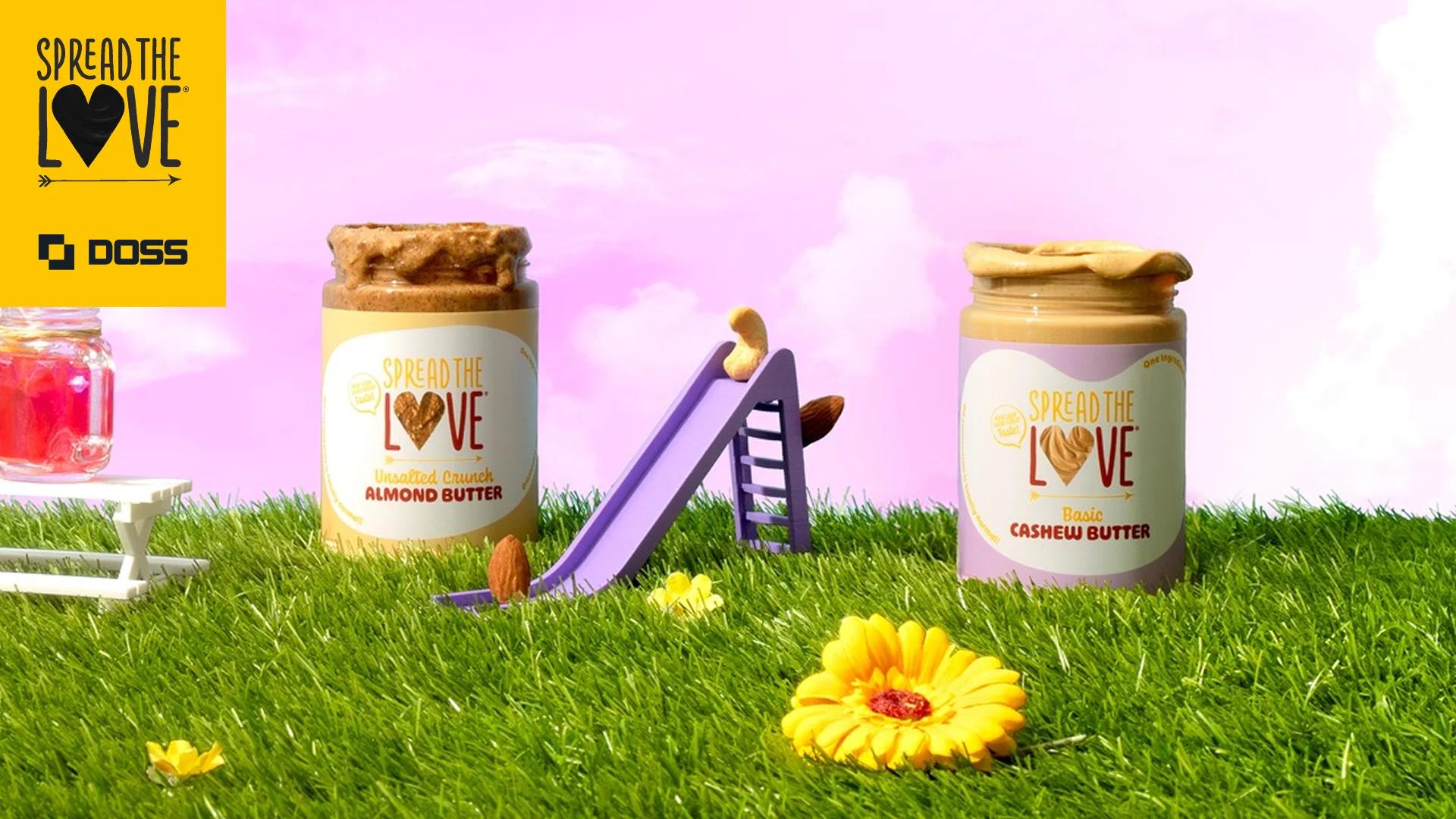
Spread the Love has been making high-quality, natural nut butters since 2013. After landing major wholesale accounts and key distribution partnerships, growth took off. The operational infrastructure that got them there wasn't built for the volume they were now running.
Eloy Yndigoyen, CFO and Head of eCommerce, inherited a bare starting point. “When I started, there were no processes,” he said. “I used to have to create every invoice in QuickBooks manually, on top of doing sales orders for that, too.” Processing a wholesale order meant copy-pasting data across three platforms: Sharepoint, Outlook, and Extensiv's 3PL Central. Inventory visibility required manual checks against the 3PL portal. Tracking updates to wholesale customers were emailed by hand every time the 3PL dispatched an order.
The challenge wasn’t finding a system; it was finding one that could actually be configured around Spread the Love's specific setup. Their 3PL relationship, their SKU configurations (shipping both 40-pack and 36-pack formats of the same product), their invoicing requirements with embedded payment links — none of that maps cleanly onto a generic ERP template. A system that couldn’t accommodate those specifics would have traded one set of manual workarounds for another.
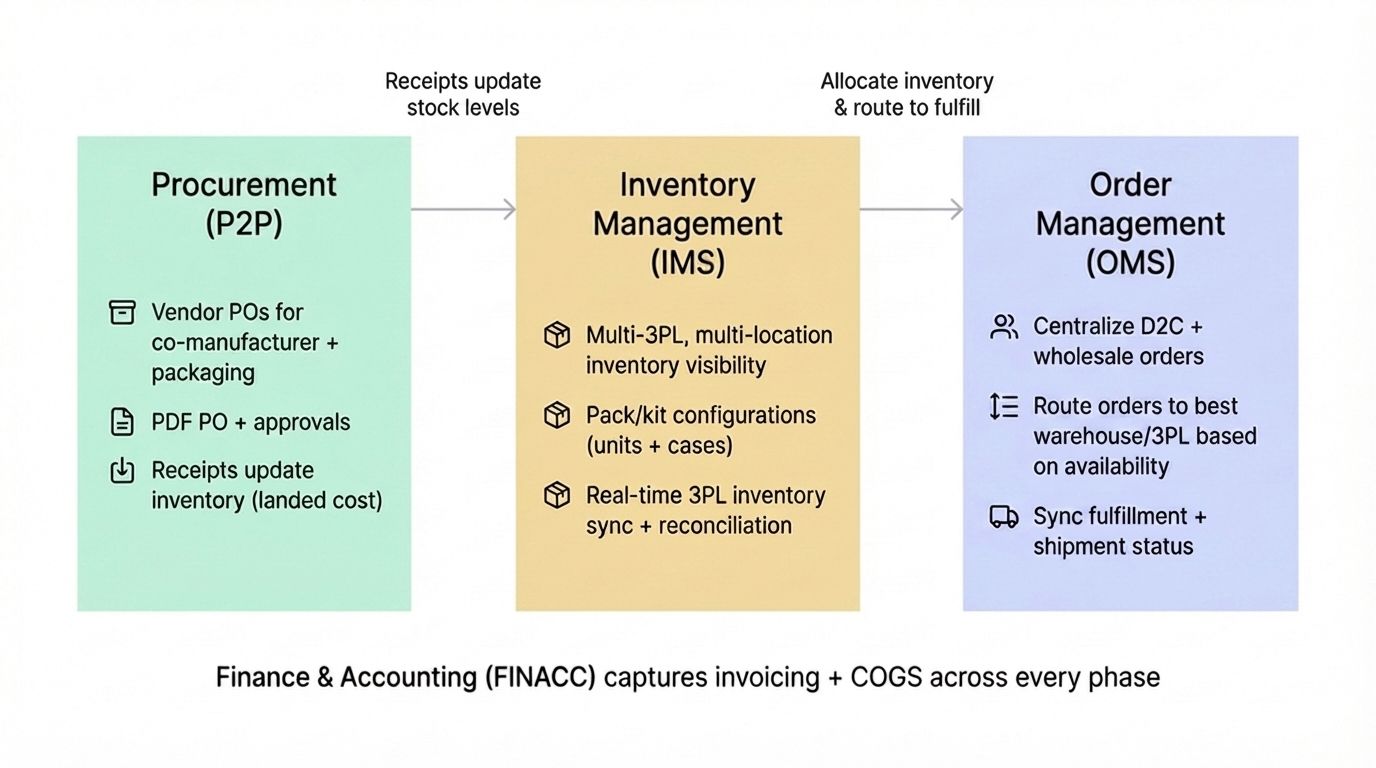
DOSS connected the full order-to-cash workflow around how Spread the Love’s operations actually ran. Wholesale orders now flow directly from receipt into Extensiv's WMS via integration, eliminating the copy-paste loop entirely. Real-time inventory sync surfaces accurate stock levels across pack configurations — if Spread the Love ships 40-packs and 36-packs to the same 3PL, the system tracks the total jar count while keeping each pack format as its own distinct SKU. Automated alerts flag reorder thresholds without anyone having to check manually. On the invoicing side, DOSS drafts the invoice upon fulfillment, applies customer-specific pricing, generates a Stripe payment link, issues the PDF, and closes the invoice when paid — no manual QuickBooks entry at any step.
Order processing time went from 5 hours per week to 25 minutes.
“We're growing methodically,” Eloy said. “DOSS has been crucial in helping us manage our growth without compromising on efficiency or accuracy.”
Spread the Love's retail footprint now spans iHerb, Erewhon, Walmart, Amazon, Sysco, and more. The foundation underneath it can keep up.
The Pattern Across All Three
Verve, Mezcla, and Spread the Love operate in different CPG categories, with different channel mixes and different growth profiles. Their operational challenges were specific to their businesses. But the structural pattern is the same, and so is the reason traditional ERPs didn’t solve it.
Legacy ERP implementations are built around a fixed data model. You configure the system once, over many months, and then your business operates within its constraints. That works when your processes are stable and your operational complexity is predictable. It breaks down for fast-growing CPG brands, where the channel mix, supplier relationships, 3PL configurations, and retailer requirements are all changing faster than any static implementation can keep up with. What you’d be buying is a system that fits the business as it was when you went live, not the business it’s becoming.
What changed for Verve, Mezcla, and Spread the Love wasn’t just replacing manual work with automation. It was replacing a foundation that couldn't adapt with one that could — one that modeled itself around their actual workflows instead of the other way around, and that continued to adapt as those workflows evolved.
DOSS Operations Cloud is built for exactly this. Its Adaptive Resource Platform (ARP) powers modular operations across procurement, inventory, orders, and finance through composable workflows that configure to your specific processes and change in minutes, not months — without dev tickets, without consultants, without scope creep. Real-time analytics surface margins and performance as operations happen. And Dossbot, the AI copilot embedded throughout, automates workflows and resolves operational issues through conversation rather than engineering cycles.
The result is a system that deploys with iterative value rather than requiring a full migration before anything works — and that scales from where you are now to where you’re going, without re-implementation.
For CPG brands at a growth inflection point, that distinction is the whole game. A foundation that can't adapt becomes the constraint. One that can becomes the advantage.
Closing
Verve got 46 hours of admin time back per week. Mezcla recaptured 12+ hours and is scaling without adding to the ops team. Spread the Love cut order processing from 5 hours to 25 minutes per week.
None of them did it by hiring more people or patching another point solution into the stack. They did it by replacing the fragmented foundation underneath their operations with one that adapts to how their businesses actually run.
If your ops team is spending more time reconciling data than acting on it, that's not a people problem. It's a systems problem. And it compounds every quarter you stay on the current foundation.