A jewelry brand with 40 core designs doesn't have 40 SKUs. By the time you factor in metal finishes, chain lengths, and packaging variants, that same catalog turns into 600 SKUs, each one needing its own inventory count, reorder point, and channel allocation. Accessories and small goods brands hit this wall earlier than almost any other category, because the products are small, the variants multiply fast, and the channels (DTC, wholesale, Amazon, retail) show up well before the team or the tech stack is ready for them.
Operations software for accessories and small goods brands is a system that manages inventory, orders, and procurement in one place, built to handle high SKU counts, variant complexity, and multi-channel fulfillment without requiring a new spreadsheet or a new hire every time the catalog grows. For a $50–150M accessories or small goods business, that's the difference between a Tuesday spent reconciling stock counts across three tools and a Tuesday spent actually running the business.
This piece covers why accessories and small goods operations get complicated faster than founders expect, why spreadsheets and generic ERPs stop working, and what a purpose-built operations platform like DOSS Operations Cloud actually does differently.
Why Accessories and Small Goods Brands Hit an Operations Ceiling Early
Variant complexity is the root cause. A handbag brand selling five silhouettes in four colorways across two size runs is already managing 40 SKUs from five actual products. Add a wholesale-only colorway or a marketplace-exclusive bundle, and the number climbs again. None of this shows up as "complexity" on a slide about the business; it shows up as a spreadsheet with 40 tabs that someone has to keep in sync by hand.
Channel proliferation compounds it. Accessories and small goods brands typically sell direct, through wholesale accounts, and on at least one marketplace within the first two or three years. Each channel has its own allocation rules, its own returns process, and its own view of what's "in stock." Without a shared source of truth, the warehouse team, the wholesale account manager, and the DTC team are often working from three different numbers on the same day.
Small unit economics make the problem worse, not better. Accessories and small goods have thin per-unit margins relative to bulkier categories, so a miscounted reorder or a stockout on a bestselling SKU has an outsized effect on monthly revenue. Operators in this category can't afford to guess at inventory the way a slower-moving, higher-margin business might.
Why Spreadsheets and Legacy ERPs Don't Solve It
Spreadsheets are fast to set up and fall apart exactly when they're needed most. They don't enforce a single version of the truth, so two team members can update the same SKU's stock count in different tabs and never notice the conflict until a customer order can't be fulfilled.
Legacy ERPs solve the single-source-of-truth problem but introduce a new one: rigidity. Most were built for businesses with a handful of core SKUs and predictable BOMs, not for a catalog that multiplies every time a founder adds a new color. Reconfiguring a legacy system to handle real variant and channel complexity usually means a consultant, a change request, and a multi-month wait for a change that should take an afternoon.
The Reframe: Build the System Around the Catalog, Not the Other Way Around
The mistake most accessories and small goods brands make isn't picking the wrong software; it's assuming they have to simplify their catalog or their channel mix to fit whatever system they buy. That's backward. The catalog and the channel strategy are the business. The operations system should adapt to them, not constrain them.
That means the software has to treat variants, bundles, and multi-channel allocation as first-class data, not workarounds bolted onto a system designed for something simpler. It also means changes to that structure, adding a color, launching on a new marketplace, splitting a bundle into standalone SKUs, should take minutes to configure, not a procurement cycle with an outside vendor.
What This Looks Like With DOSS Operations Cloud
DOSS Operations Cloud is an AI-native, composable alternative to legacy ERP, built to manage the flow of goods, dollars, and data across procurement , inventory , and orders in a single system. For accessories and small goods brands, that means the variant and bundle structure of the catalog lives in the platform's Unified Master Data model, so a SKU's colorway, size, and channel allocation are consistent everywhere they show up, from the warehouse floor to the wholesale order form.
Operators get real-time visibility into stock levels and margins across every channel instead of waiting for someone to reconcile three spreadsheets at the end of the week. When the catalog changes, whether that's a new colorway or a new reorder point for a fast-moving SKU, the change happens inside the platform's no-code workflow builder, not through a support ticket. Dossbot, the AI copilot built into DOSS, can handle bulk updates across hundreds of SKUs at once through a chat prompt, which matters for a catalog that grows every season.
Handling Multi-Channel and 3PL Complexity
Most accessories and small goods brands work with at least one 3PL partner by the time they're shipping DTC, wholesale, and marketplace orders at the same time. Getting accurate, real-time inventory data out of a 3PL and into every other system that needs it is one of the most common breakdowns in this category. Orders get allocated against stock that already shipped, or a stockout on a bestseller isn't caught until a customer complains.
An operations platform built for this segment treats 3PL and channel integrations as core infrastructure. Inventory counts sync in real time, safety stock thresholds trigger reorders automatically, and the same data feeds DTC, wholesale, and marketplace channels without a manual export in between. That's what keeps a founder from finding out about a stockout from a customer email instead of a dashboard.
What to Look for When Evaluating Operations Software
Accessories and small goods brands evaluating operations software should weigh a few criteria specific to this category before signing a contract:
- Variant and bundle support: The system should treat colorways, sizes, and multi-unit packs as connected SKUs with shared and independent data, not as separate, disconnected line items that require manual syncing.
- Multi-channel allocation: Stock committed to a wholesale account, a marketplace listing, and a DTC storefront should draw from the same real-time inventory number, not three exports that go stale within hours.
- 3PL integration depth: Look for native, real-time syncing with your 3PL rather than a nightly batch file. A stockout discovered a day late is still a stockout.
- Configuration speed: Adding a new colorway, launching on a new marketplace, or changing a purchase order approval flow should take an afternoon inside the platform, not a change request routed through a vendor's professional services team.
- Time to value: Legacy ERP implementations in this space commonly run 12 to 18 months and go over budget. A platform built for this segment should have operators live and seeing value in a matter of months.
Founders and operations leads who score a vendor against these five criteria before the sales conversation tend to end up with a much shorter list of realistic options, and a much clearer sense of what "operations software" actually needs to do for a catalog like theirs.
Proof: How Small Goods Brands Run Operations on DOSS
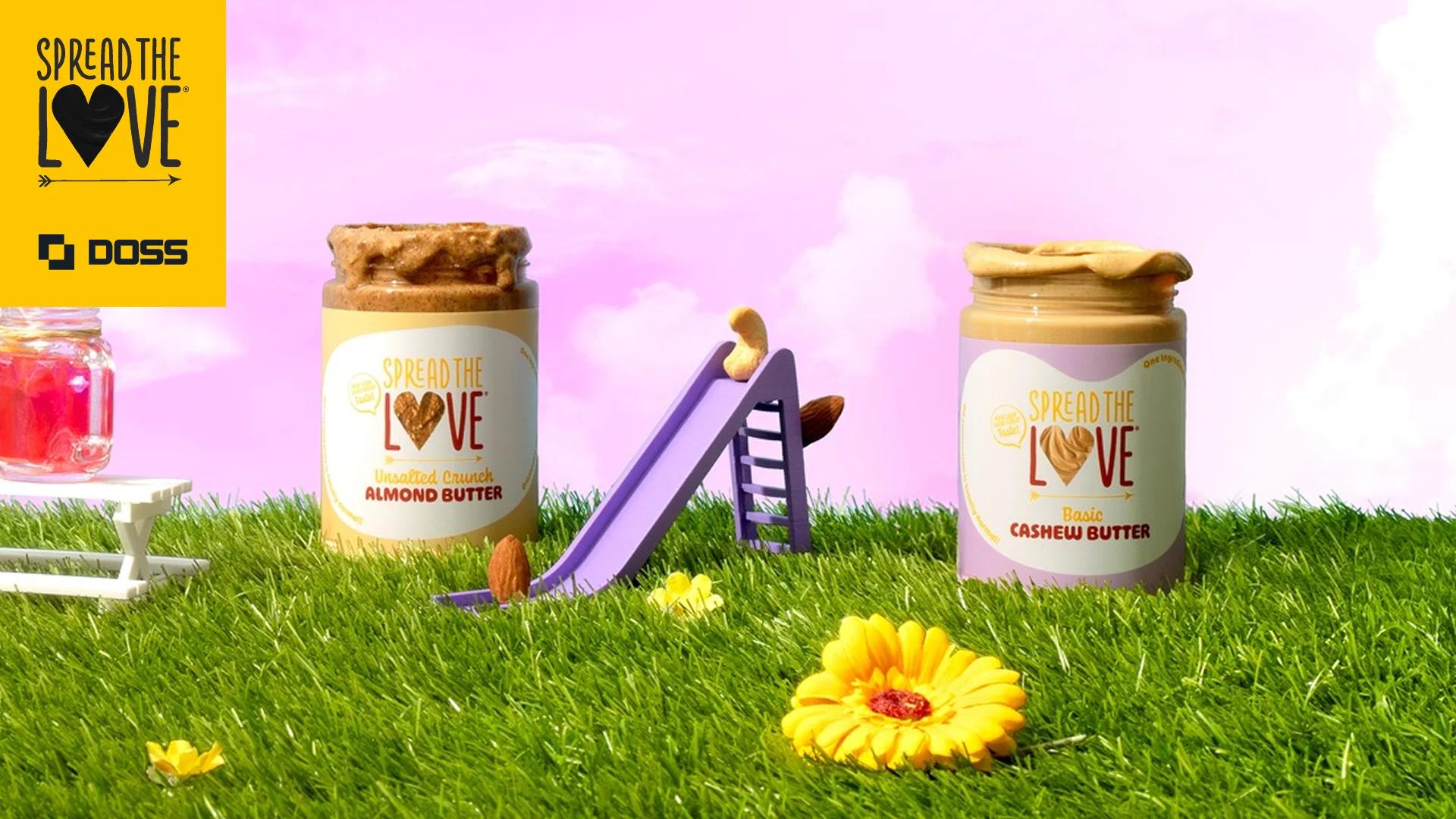
Spread the Love, which ships jarred products in multi-pack configurations, uses DOSS to track inventory down to the individual jar within a pack. As Zach Fishbain put it: "With our 3PL integration, inventory is recognized accurately and in real time. If we send 40 packs and 36 packs, the system correctly tracks the total count of jars while maintaining the integrity of each pack as its own SKU." That kind of pack-level accuracy is exactly what accessories and small goods brands need when a single "product" is really several SKUs bundled together.
Mezcla saved more than 12 hours a week and doubled its purchase order processing speed after moving to DOSS. Verve Coffee Roasters cut unbatched DTC orders from 30% down to 1% in its first four weeks on the platform, work that used to require a daily four-hour manual process. These are the kinds of gains that come from replacing manual reconciliation with a system that treats real-time, multi-channel accuracy as the default instead of the exception.
Getting Started
Accessories and small goods brands don't need to simplify their catalog to get control of their operations; they need software that was built to handle the complexity that comes with the territory. DOSS Operations Cloud connects inventory, orders, and procurement in one platform, integrates with the tools already in use across the warehouse and finance stack, and goes live in months rather than the year-plus timelines common with legacy ERP implementations. For a brand adding SKUs and channels every quarter, that adaptability is the actual product.