Most operations leaders don't go looking for an ERP. They get pulled into buying one, usually around the time a spreadsheet formula breaks during a multi-warehouse SKU launch, or a purchase order gets keyed in twice and nobody catches it until the invoice doesn't match. For CPG, food and beverage, and health and beauty brands moving from Series A toward $100M in revenue, that moment is when the question of ERP for high-growth brands stops being hypothetical, and the decision made in it shapes how much time the operations team spends firefighting for the next three years.
This is the real shape of ERP for high-growth brands: the tools that work at $2M in revenue rarely survive the jump to $20M, and the system that fits a $20M business often can't stretch to $100M without a rebuild. An ERP that actually fits a growing brand isn't the same system at every stage. It needs to match where the business is operating today, not where a five-year plan says it will be.
Picking the wrong system at the wrong stage doesn't just cost money. It costs the operations team's time, which is the one resource a growing brand can't manufacture more of by raising another round.
The Growing Pains That Start Around Series A
Series A capital buys a company runway, not infrastructure. Most brands raise that round running procurement, inventory, and order management out of a shared drive, a QuickBooks account, and whichever spreadsheet the ops lead built during their first six months. It works because the business is still small enough for one person to hold the whole picture in their head.
That stops being true faster than most teams plan for. A second warehouse, a new retail channel, or a jump from 200 to 2,000 SKUs adds interactions between systems that didn't exist before: sales pre-orders when a SKU is out of stock, multi-currency handling on a supplier invoice, a 3PL that ships partial cases and reports them differently than the internal system tracks them. Each of these is manageable in isolation. Together, they're what breaks the spreadsheet model.
The signal is almost always the same: the operations team starts spending hours every week reconciling numbers across tools instead of acting on them. Nobody budgeted for that time. It shows up anyway, usually right when the business needs that team focused on growth, not data entry.
Why Spreadsheets, QuickBooks, and Point Tools Stop Working
Spreadsheets are fast and flexible until real operational workflows show up. Approvals, handoffs, and edge cases (a partial shipment, a returned lot, a supplier price change mid-order) are exactly the situations spreadsheets handle worst, because every exception requires a manual fix that only the person who built the sheet knows how to make.
QuickBooks was never built to manage inventory, procurement, or multi-channel orders. It's accounting software doing double duty as an operations system, and it shows in the workarounds: a separate inventory tool that doesn't talk to the general ledger, a manual export-import cycle to reconcile the two, a finance team that closes the books a week later than they should because nothing is synced in real time.
Point tools like Cin7 and Fulfil solve this for a while; they're cheaper upfront and easier to set up than a full ERP. But they're built for businesses that don't grow past a certain point. Around 3,000 SKUs, a second warehouse, or the first EDI-connected retailer, these tools start hitting ceilings, and the workarounds teams build to get past those ceilings often cost more in engineering time and manual labor than a more capable platform would have in the first place.
The Real Question Isn't Buy vs. Build. It's When to Add Structure
The mistake most high-growth brands make isn't choosing the wrong tool. It's treating the decision as one-time: pick a system at Series A and assume it will carry the business to $100M, or wait until the spreadsheets fully collapse before doing anything.
Neither extreme works. The better question is when to add structure, and how much. A brand at $5M in revenue with three SKUs and one warehouse doesn't need the same operational backbone as a brand at $40M running two manufacturing partners, a 3PL relationship, and wholesale, DTC, and retail channels simultaneously. Adding ERP-level structure too early buries a small team in configuration overhead they don't need yet. Waiting too long means the team spends months untangling bad data before they can even start using a new system properly.
The brands that scale well treat this as a series of decisions tied to actual operational signals, not a single platform bet made once and never revisited. When the operations team can name specific hours per week lost to reconciliation, or when a 3PL or EDI partner requires integration the current tools can't support, that's the signal to add structure, not a fixed revenue number on a slide.
What an ERP Needs to Do for a High-Growth Brand From $10M to $100M
A system built for this stage needs to unify data first. Procurement, inventory , and order management have to share one source of truth, so a SKU means the same thing in the warehouse, in the sales channel, and on the finance team's margin report. Without that, every team ends up defending its own version of the numbers instead of acting on a shared one.
It needs to change without a consultant. A growing brand adds a channel, changes a supplier term, or restructures a fulfillment workflow every few months, not every few years. If each of those changes requires a services ticket and a six-week wait, the operations team is permanently behind the business it's supposed to be running.
It needs to handle real supply chain mechanics, not just track them. Lead times shift. Safety stock targets need to move with sales velocity. Demand planning has to account for seasonality and promotions, not just trailing averages. A system that only stores this data without acting on it just moves the spreadsheet problem into a more expensive tool.
And it needs to scale in complexity, not just in row count. The jump from one warehouse to three, or from a single 3PL to a mixed network of owned and outsourced fulfillment, multiplies the number of exceptions a system has to handle cleanly. Procurement that worked with two suppliers has to keep working with twenty.
How DOSS Operations Cloud Fits High-Growth Brands From Series A to $100M
DOSS Operations Cloud is built specifically for this range: physical product businesses moving past spreadsheets and point tools but not ready for a twelve-month enterprise ERP rollout. It gives operators one place to manage procurement, inventory, and orders in real time, without forcing them to rebuild their processes around the software's constraints.
The difference shows up in how changes get made. Teams configure a new workflow, adjust an approval chain, or add a supplier integration themselves, in minutes, instead of filing a ticket and waiting on a development cycle. That matters most exactly when a brand is scaling fast enough that last quarter's process no longer fits this quarter's channel mix.
It also matters how the platform grows with the business. Because the underlying data model is composable, a brand doesn't re-implement the system going from $20M to $100M the way they would migrating between rigid ERPs. They add modules, suppliers, and warehouses to the same foundation instead of starting over.
What This Looks Like in Practice
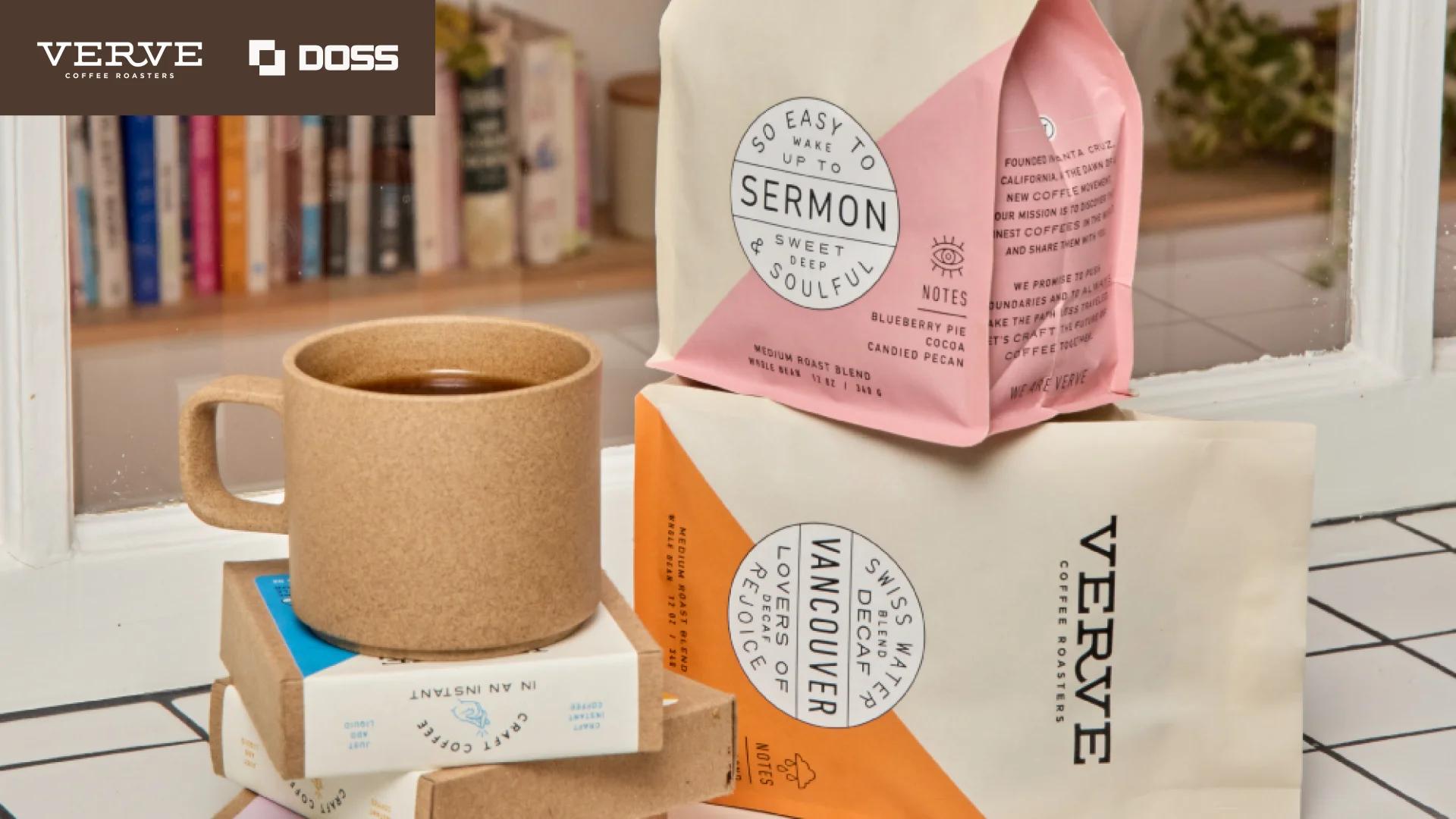
Verve Coffee Roasters, a Santa Cruz-based coffee brand selling across cafés, grocery, wholesale, and DTC in the U.S. and Japan, replaced a daily four-hour DTC order batching process with automated reporting within the first four weeks on DOSS. Unbatched orders dropped from 30% to 1%, freeing more than 20 hours a week that the operations team had previously spent on manual reconciliation instead of running the business.
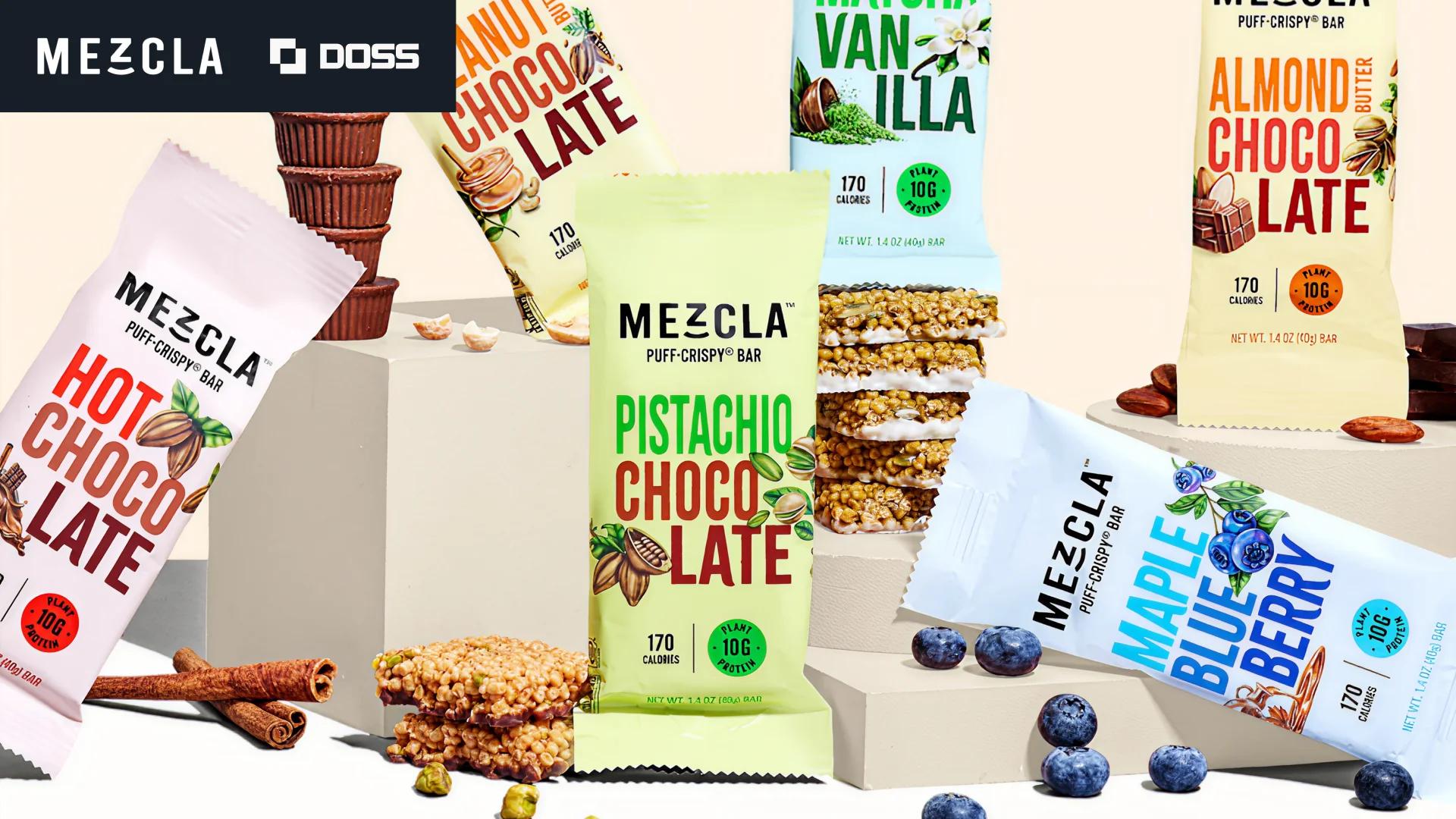
Mezcla, a fast-growing consumer brand, cut purchase order processing time in half and saved more than 12 hours a week after moving off spreadsheets and disconnected tools onto a single operations platform. Spread the Love saw invoicing move 12 times faster once their 3PL integration started tracking inventory accurately in real time, correctly distinguishing pack-level and case-level SKUs instead of losing that detail in translation between systems.
None of these are enterprise-scale rollouts. They're the exact profile of brand this piece is about: growing fast, past the point where spreadsheets hold up, and not interested in spending a year on an ERP implementation to get there.
Getting the Timing Right
The brands that navigate Series A to $100M well aren't the ones with the fanciest tech stack early. They're the ones that add operational structure at the moment the business actually needs it, and choose a system that can grow with them instead of one they'll outgrow again in eighteen months.
DOSS Operations Cloud connects inventory, orders, and procurement in one platform, integrates with the tools a growing team already relies on, and gets teams live in months, not years. For an operations leader trying to figure out what a high-growth brand's ERP actually needs to do at their specific stage, that's the practical starting point: a system built to adapt as fast as the business does.