Somewhere between $10M and $50M in revenue, most CPG brands hit the same wall. The spreadsheet system that worked at $5M starts breaking: inventory counts drift from what's actually on the shelf, purchase orders get built from three different tabs, and finance closes the books two weeks late because nobody agrees on the numbers. A CPG operations platform at this stage has to do something narrower and harder than what a $500M enterprise needs: unify procurement, inventory, and order management without asking a 12-person team to run a 12-month implementation.
A CPG operations platform is software that connects procurement, inventory, and order management into one system of record, replacing the spreadsheets and disconnected point tools that most brands start with. At $10M–$50M, the right platform has to fit a specific moment: too much complexity for QuickBooks and Google Sheets, not enough headcount or budget for a traditional enterprise resource planning rollout built for companies five times the size.
This guide covers what changes operationally in this revenue band, why the usual options (spreadsheets, point tools, legacy ERP) stop working, and what to evaluate instead.
What Changes Operationally Between $10M and $50M
Growth adds surface area faster than it adds headcount. A brand at $10M might run 200 SKUs through two channels and one warehouse. By $50M, that's often 800+ SKUs, four or five channels (DTC, wholesale, Amazon, retail), multiple warehouses or 3PL partners, and a co-manufacturer or two in the mix.
Each of those additions is manageable on its own. A new channel, a new 3PL, a new SKU line: none of them breaks the business by itself. What breaks is the interaction between them. Multi-currency FX handling shows up in procurement. Omnichannel orders need different AR workflows depending on where they came from. A single warehouse becomes a mixed model of owned and third-party locations, each with its own inventory rules.
Operations teams at this stage are usually one or two people covering what used to require five. They're not under-skilled; they're under-tooled. The job has scaled past what a spreadsheet, or a lightweight tool built for a single warehouse and one channel, can hold together.
Revenue growth and headcount growth also move on different curves. A brand that triples revenue from $15M to $45M rarely triples its operations team. That gap gets filled by whichever system holds the most institutional knowledge, which in practice is usually a founder or ops lead who remembers which spreadsheet tab is the real one this week. That's not a scalable answer, and it's the reason this stage of growth is where operations either breaks or gets rebuilt on better footing.
Why Spreadsheets and Point Tools Stop Working
Spreadsheets are fast to set up and flexible by design, which is exactly why they work early on and exactly why they fail later. A formula that tracks 200 SKUs across one channel doesn't survive contact with 800 SKUs across five channels and a co-manufacturer. Someone has to manually reconcile inventory counts between the warehouse, the 3PL portal, and the sales channel, usually at month-end, usually under time pressure.
Point tools built for a single function run into a different problem: they don't talk to each other. An inventory tool that doesn't know what's been ordered can't tell an operator when to reorder. A procurement tool that doesn't see real inventory levels can't catch a stockout before it happens. Each tool does its narrow job well and still leaves the operator doing the integration work by hand, in a spreadsheet, at the end of the process.
The result is a team that spends its time reconciling numbers instead of acting on them. Margin visibility lags by weeks instead of showing up in real time, which means pricing and purchasing decisions get made on stale information.
Why Enterprise ERPs Are the Wrong Fit at This Stage
Legacy ERPs like NetSuite, SAP, and Microsoft Dynamics are built for a different customer: a company with an IT department, a dedicated implementation budget, and a timeline measured in quarters. Implementations for these systems average 12 to 18 months, and a large share run over budget or fail to deliver what was originally scoped. That math doesn't work for a company at $10M–$50M trying to solve a spreadsheet problem this quarter, not next year.
The cost structure compounds the mismatch. A base license looks affordable until modules, customizations, an implementation partner, and an ongoing support contract get added on top. Every workflow change routes through a consultant or a dev ticket, which means a business that needs to move fast ends up waiting months for a system that was supposed to make it faster.
What to Look for in a CPG Operations Platform at This Revenue Range
The right platform for this stage looks less like a scaled-down enterprise ERP and more like a system built around how a growing brand actually operates. Four things matter most.
Unified data across procurement, inventory, and orders. Real-time visibility means the team spends time acting on numbers instead of reconciling them across tabs and portals. A single source of truth for what's in stock, what's on order, and what's been sold removes the manual matching that eats hours every week.
Configuration that doesn't require a developer. Workflows change as the business changes: a new channel, a new SKU naming convention, a new approval step. A platform that requires a consultant or an engineering ticket for every change will always be a step behind the business it's supposed to support.
Fast time-to-value. A brand at this stage needs the system live in months, not a year and a half, with value showing up incrementally rather than all at once at the end of a long rollout.
Native integrations with the partners already in place. 3PLs, EDI-connected retailers, and co-manufacturers are usually already part of the operation by $10M–$50M. A platform that can't connect to them natively just adds another manual reconciliation step.
Pricing that scales with revenue, not headcount. A platform priced like an enterprise seat license punishes exactly the growth it's supposed to support. The right model charges based on the size of the business, without a separate add-on fee for every module a brand would reasonably expect to be included.
DOSS Operations Cloud: A CPG Operations Platform Built for This Gap
DOSS Operations Cloud is an operations platform for consumer goods businesses that unifies procurement , inventory , and order management in one system, built on a composable data model that adapts to how a business actually works instead of forcing it into rigid templates. It runs on four connected layers: the Integrated Data Platform (IDP), a real-time database with native integrations for 3PLs, EDI partners, and other tools; the Adaptive Resource Platform (ARP), which powers procurement, inventory, and order workflows on Unified Master Data (UMD) so every module shares the same source of truth; DataStudio, which surfaces real-time margin and performance data as operations happen; and Dossbot, an AI copilot that automates bulk changes and resolves issues through plain-language chat.
For a brand outgrowing QuickBooks and spreadsheets, or hitting the ceiling on a lightweight tool like Cin7 or Fulfil, the pitch isn't architecture. It's that DOSS looks and works like the tools the team already knows, without breaking when the business adds SKUs, channels, or warehouses. Configuration changes that would take a consultant and a dev ticket on a legacy ERP take minutes on DOSS. Most customers go live in four to six months, not twelve to eighteen, with the same product team that builds the platform staying on to support the rollout.
Proof: What This Looks Like in Practice
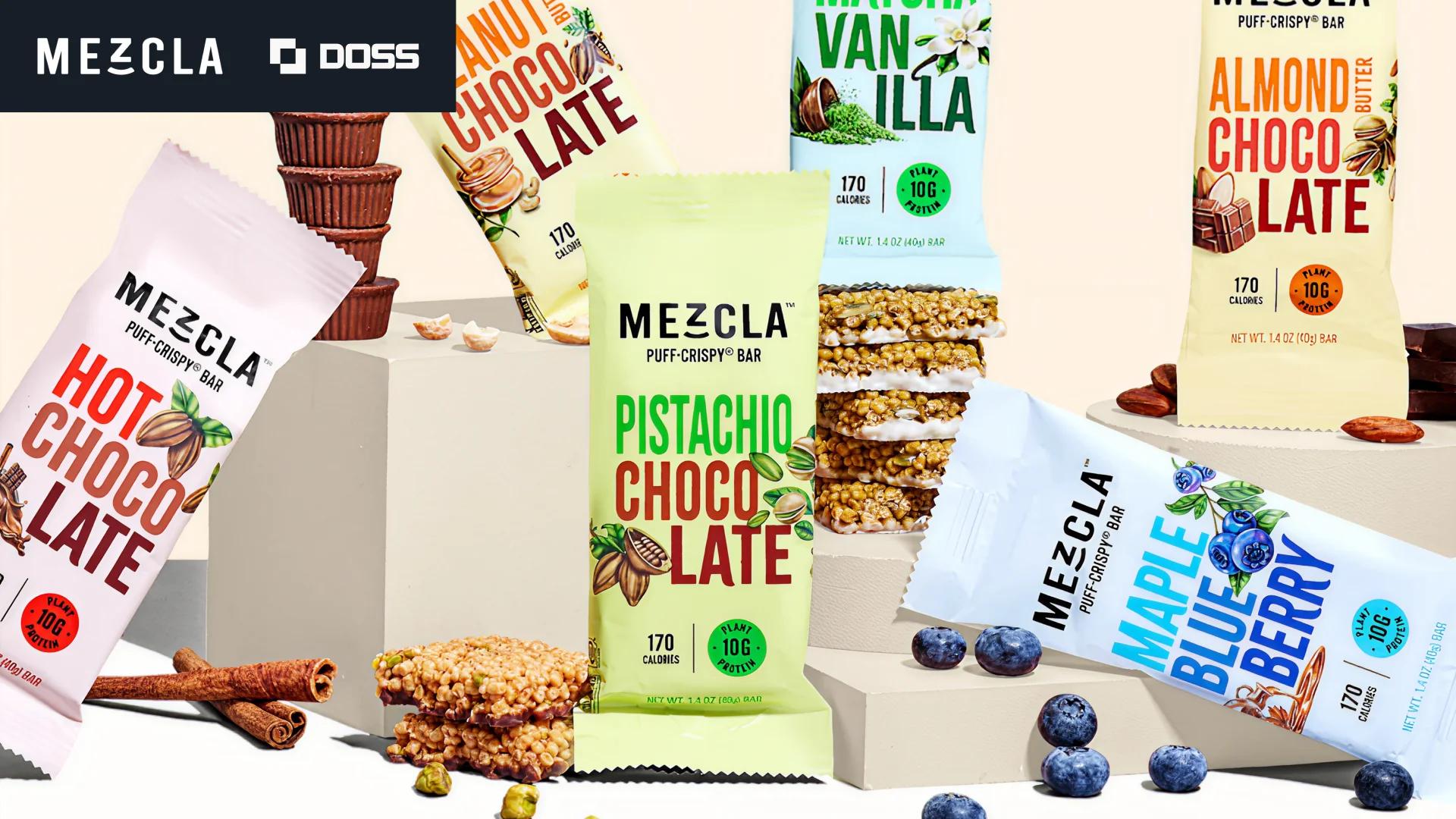
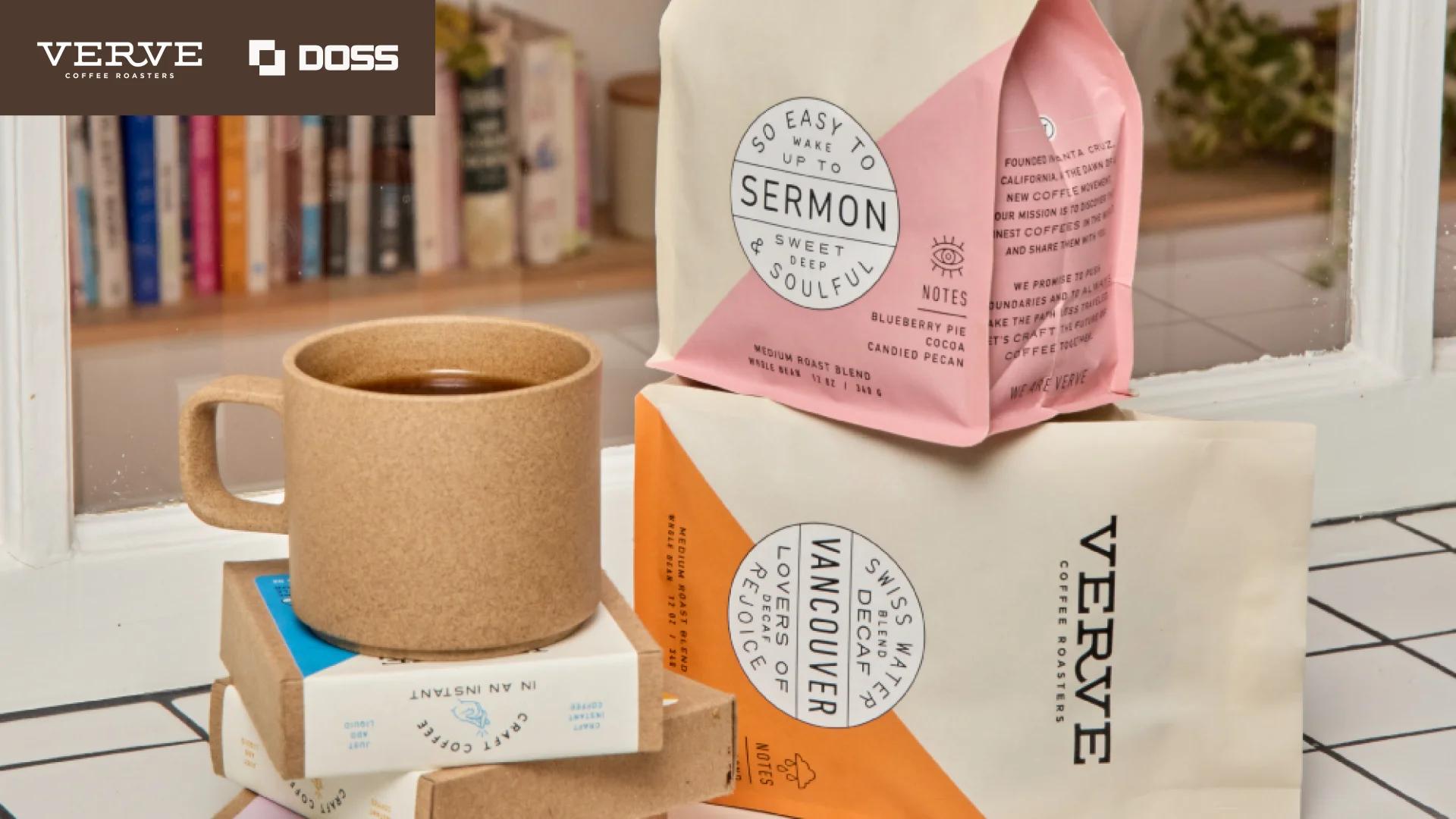
Mezcla, a growing beverage brand, saved 12-plus hours a week and doubled its purchase order processing speed after moving onto DOSS. Spread the Love cut invoicing time twelvefold and gained accurate, real-time inventory tracking across packed and individual SKUs through its 3PL integration. Verve Coffee Roasters brought unbatched orders down from 30% to 1% and saved more than 20 hours a week across its manufacturing team in the first month on the platform. De Soi, a non-alcoholic beverage brand, uses DOSS to keep production, inventory, and quality in sync as demand scales.
None of these are enterprise rollouts. They're growing CPG brands solving the same problem: too much complexity for spreadsheets, not enough scale to justify a legacy ERP. In each case, the change wasn't a multi-year transformation. It was a platform swap that paid back in weeks, measured in hours saved and orders processed correctly the first time.
The Bottom Line
The operations platform that fits a $10M–$50M CPG business isn't a stripped-down version of what a $500M enterprise runs, and it isn't a patchwork of spreadsheets and point tools held together by manual reconciliation. It's a system built for the specific complexity of this stage: enough SKUs, channels, and partners to need real unification, not enough headcount or budget to justify a year-long ERP implementation.
DOSS Operations Cloud connects inventory, orders, and procurement in one place, integrates with the 3PLs and tools already in use, and gets a team live in months instead of years. For an operator deciding what to run this stage of growth on, that's the difference between a system that keeps up and one that becomes the next thing to outgrow.