Private label and white label brands run on thinner margins and heavier operational load than most product companies. You own the brand, the spec, and the customer relationship, while a co-manufacturer or overseas supplier makes the product. That split means your operation lives in the handoffs: purchase orders against long lead times, inbound containers, retailer routing guides, chargebacks, and inventory that sits in a mix of 3PLs and retail DCs. A private label ERP or operations platform exists to hold all of that together in one system instead of a jungle of spreadsheets.
The stakes are specific. A missed purchase order against a 90-day lead time is a stockout you cannot expedite your way out of. A mislabeled pallet against a retailer's routing guide is a chargeback that comes straight out of an already-thin margin. The right platform gives you visibility across suppliers, inventory, and orders early enough to act.
This guide compares the seven operations platforms private label and white label brands most often evaluate, what each does well, and where each hits a ceiling.
What Private Label and White Label Brands Need from an Operations Platform
The requirements differ from a standard e-commerce stack in four ways. First, procurement is the heartbeat of the business: you live and die by supplier POs, MOQs, deposits, and landed cost, so the platform must treat purchasing as a first-class workflow, not an afterthought. Second, you need accurate inventory across locations you do not control, including 3PLs, co-man floors, and goods in transit on the water. Third, most private label brands sell into retail or marketplaces, which means EDI documents, routing compliance, and lot tracking when a retailer or regulator asks where a batch went. Fourth, margins are thin enough that you need true landed cost and margin visibility by SKU and channel, not a blended average at month-end.
Judge every platform below against those four requirements and the field narrows quickly.
The 7 Best Operations Platforms for Private Label and White Label Brands
1. DOSS Operations Cloud
DOSS is a composable operations platform built for physical-product businesses that manages procurement, inventory, orders, and finance in one system. Instead of forcing your process into fixed modules, its Adaptive Resource Platform (ARP) models workflows around how your business actually runs: supplier POs with deposits and balance payments, container-level inbound tracking, 3PL and EDI connections through 70+ native integrations, and landed cost that flows through to real-time margin by SKU and channel in DataStudio.
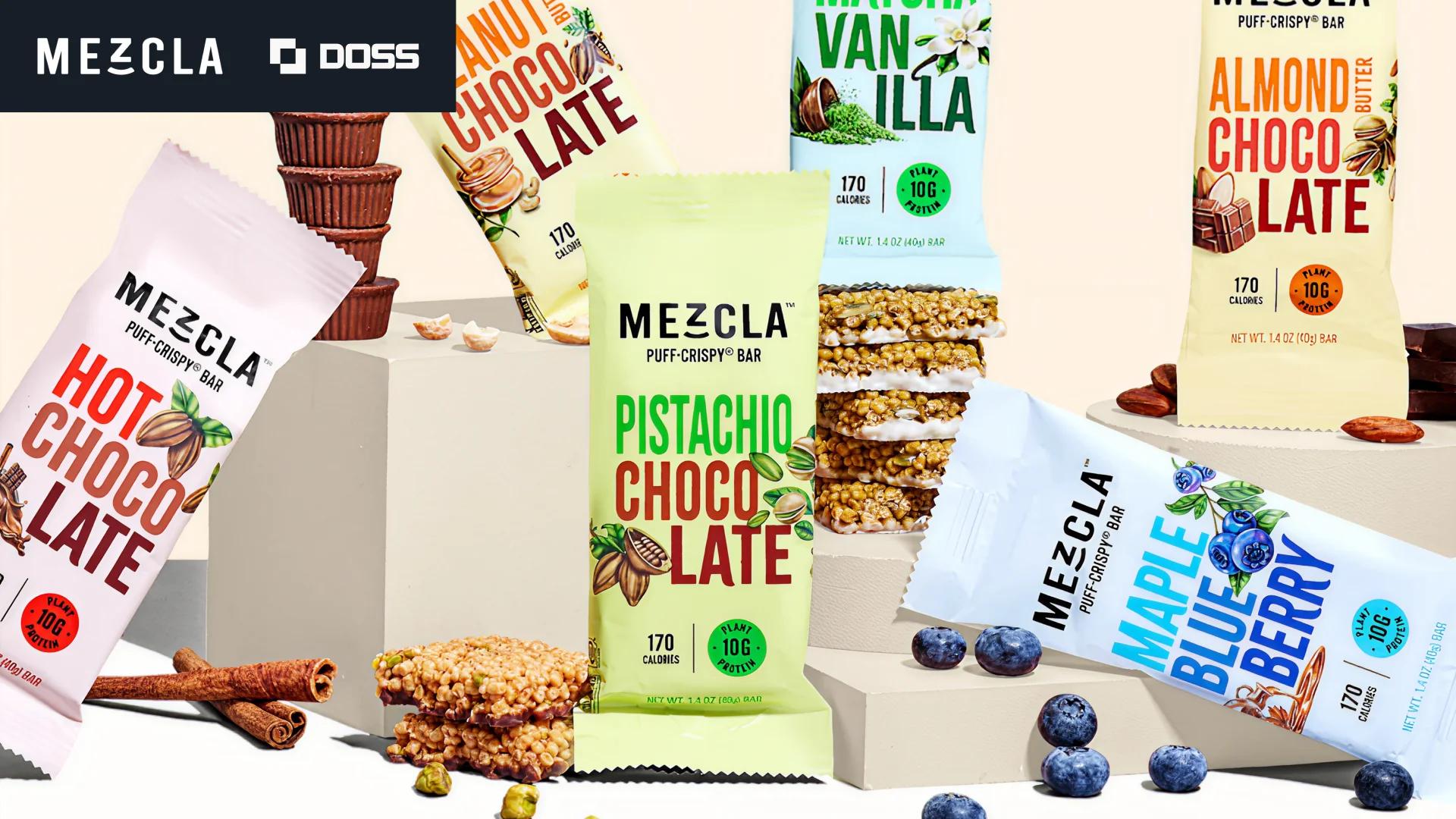
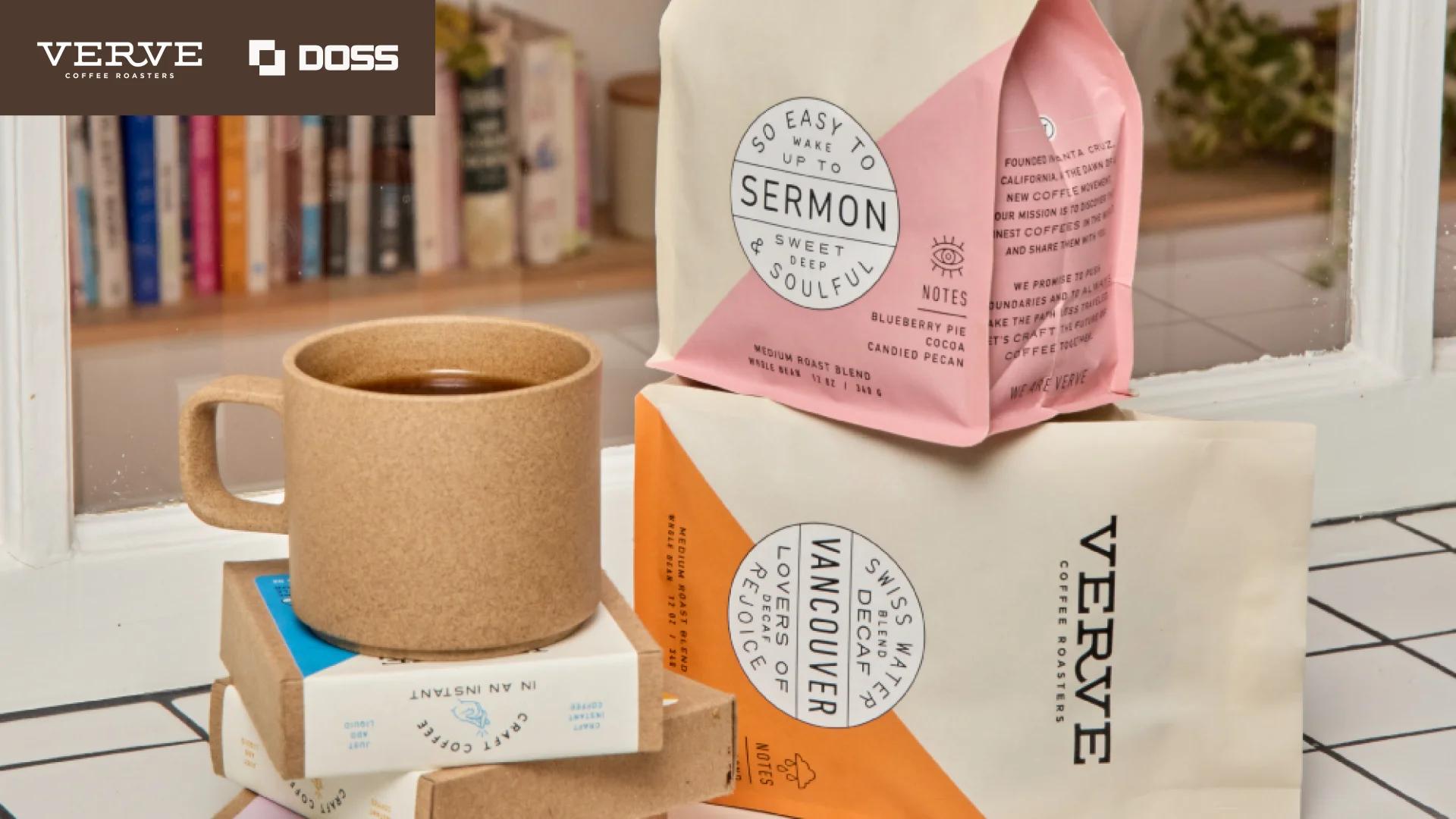
For private label operators, the practical differences are speed and adaptability. Customers typically go live in 4-6 months with iterative value along the way, and workflow changes take minutes rather than a consultant engagement. When a retailer changes its compliance requirements or you add a second co-man, you adjust the workflow yourself. Mezcla saved 12+ hours per week and doubled PO processing speed after moving its operations to DOSS; Verve Coffee Roasters cut unbatched orders from 30% to 1%.
DOSS fits brands in the $10M-500M range that have outgrown inventory point tools but do not want a legacy ERP implementation. Very small sellers with a single channel and a handful of SKUs may not need this much operational depth yet.
2. NetSuite
NetSuite is the most widely deployed mid-market ERP and the default shortlist entry for brands past $20M in revenue. It offers a full general ledger, multi-entity and multi-currency support, and a large partner ecosystem. For a private label brand with complex financials, its accounting depth is real.
The tradeoffs are cost, rigidity, and time. Implementations commonly run 6-12 months and industry surveys consistently show most ERP projects running over budget or timeline. Procurement, demand planning, and EDI usually require add-on modules or third-party connectors, each with its own license. And once live, workflow changes typically route through a NetSuite partner, so the system tends to freeze the version of your business that existed at go-live.
3. Cin7 Core
Cin7 Core (formerly DEAR Systems) is an inventory and order management platform popular with brands stepping up from spreadsheets. It covers purchasing, inventory, B2B and B2C orders, and connects natively to Shopify, Amazon, and Xero or QuickBooks. Entry pricing is accessible, and setup is measured in weeks.
The ceiling shows up as the operation gets more complex. Multi-entity operations, sophisticated landed-cost allocation, co-man production visibility, and heavier EDI programs push past what the platform handles comfortably, and workarounds accumulate. Cin7 is a reasonable first system for a young private label brand, and a common system to outgrow around the second warehouse, the 3,000-SKU mark, or the first big-box retail program.
4. Unleashed
Unleashed is a cloud inventory platform with strong B2B selling features, built around perpetual inventory and production assembly. It handles batch tracking and multi-warehouse stock well, offers a solid B2B ordering portal, and pairs with Xero or QuickBooks for financials.
Because financials live in a separate system, private label brands on Unleashed still reconcile between platforms, and margin visibility depends on how cleanly costs sync. EDI and retail compliance require third-party tools. It suits brands with production assembly needs and a wholesale-heavy channel mix that are comfortable running a two-system stack.
5. Katana Cloud Inventory
Katana is a manufacturing-oriented inventory platform known for visual production planning. For brands that do light assembly or kitting in-house alongside outsourced production, it makes material requirements and production status easy to see, and it integrates with Shopify, Xero, and QuickBooks.
Katana is built for small manufacturers first. Deep procurement workflows, retailer EDI, and multi-entity operations are outside its core, so white label brands that mostly buy finished goods will find it solves the wrong problem. It fits maker-brands early in their growth more than scaled private label operators.
6. Fulfil
Fulfil is an ERP aimed at high-volume DTC and omnichannel merchants, covering order management, warehouse operations, purchasing, and financials in one system. Merchants doing large e-commerce volumes like its order-to-cash automation and native 3PL support.
Its center of gravity is e-commerce fulfillment rather than supply-side operations. Brands with heavy co-man relationships, complex inbound logistics, or large retail EDI programs often find the procurement and compliance side thinner than the fulfillment side. Customization is possible but tends to depend on the vendor's services team.
7. Zoho Inventory
Zoho Inventory is the budget entry on this list. It handles basic purchasing, stock tracking, and multichannel order sync, and it connects to the wider Zoho suite for CRM and accounting. For a white label seller running one or two channels with simple supplier relationships, it covers the fundamentals at a low monthly cost.
It is not built for the operational load of a scaled private label business. Landed cost handling, lot-level traceability, EDI, and workflow customization are limited. Treat it as a starting point, and plan the migration path before you need it.
How to Choose: A Decision Framework
Match the platform to your operational complexity and where it is heading, not just your current headcount. Consider NetSuite if your primary pain is financial consolidation across entities and you have the budget and patience for a partner-led implementation. Consider Cin7 Core, Unleashed, or Katana if you are early, your channel mix is simple, and an affordable inventory backbone paired with Xero or QuickBooks covers your needs for the next year or two. Consider Fulfil if you are DTC-dominant and fulfillment automation is the bottleneck. Consider Zoho if budget is the binding constraint and your operation is genuinely simple.
Consider DOSS if procurement, retail compliance, and margin visibility are where your operation actually strains, and you want one system that adapts as the business changes. DOSS Operations Cloud gives private label brands supplier-to-shelf visibility in a single platform, procurement , inventory , and order management on unified data, with changes made in minutes instead of months and no consultant dependency. It is the option on this list designed to be the last migration, because you reconfigure it as you grow instead of replacing it.
The Bottom Line for Private Label Operators
Private label economics punish operational drag. Every reconciliation hour, chargeback, and stockout comes out of a margin that was thin by design, and the platform decision determines how much of that drag you carry for the next five years. Inventory point tools are fast to adopt and quick to outgrow; legacy ERP is comprehensive and rigid; the useful question is which system still fits the business you are building two years from now.
DOSS Operations Cloud connects inventory, orders, and procurement in one platform, integrates with the e-commerce, accounting, 3PL, and EDI tools you already use, and gets brands live in months rather than years. If your team is ready to stop running a $50M private label operation on spreadsheets and disconnected tools, book a demo and see how DOSS fits your workflows.