A recall on a baby product isn't like a recall on a t-shirt. If a car seat, teether, or feeding product has a defect, operations teams need to know exactly which lot numbers shipped to which retailers and which direct-to-consumer orders within hours, not days. That single requirement is what makes choosing a baby products ERP different from choosing an ERP for almost any other consumer category, and it's why generic systems built for apparel or general consumer goods often fall short here.
Most teams find out how well their system handles this the first time they actually need it to, and by then it's too late to pick a different platform. The real test is whether your ERP can trace a lot from raw material to a specific customer's doorstep, hold CPSIA testing and compliance documentation against every SKU, and still handle the seasonal demand swings and mixed wholesale, retail, and DTC channels that define this category.
Below are the five ERPs operations leaders at baby and kids brands evaluate most often, including where each one holds up and where it doesn't. We've also included DOSS Operations Cloud, a newer composable alternative built for physical product businesses, since it approaches several of these constraints differently than the incumbents below.
What to Look for in a Baby Products ERP
Lot and batch traceability is non-negotiable. If a supplier issues a recall on a material, operations teams need to trace it forward to every finished good and every channel it touched, not just backward to a purchase order. Systems that treat lot tracking as a manual spreadsheet exercise slow down the one process that has to move fast.
Compliance documentation has to live next to the product record, not in a separate file share. CPSIA testing certificates, tracking labels, and third-party lab results need to be tied to the SKU and the specific production lot, so a retailer or auditor request doesn't turn into a week of searching email threads.
Channel complexity compounds the problem. A typical baby or kids brand sells through big-box retail, specialty wholesale, and DTC simultaneously, often with different case pack, labeling, and EDI requirements per channel. Demand is also seasonal and gift-driven, which means demand planning and safety stock calculations have to account for a holiday or back-to-school spike rather than a flat average. A kids brand operations software platform that can't model that seasonality tends to produce either stockouts on a bestseller or overstock that ties up cash for months.
Implementation timeline and total cost of ownership matter as much as feature checklists. A brand doing $50 million in revenue can't absorb a year-plus implementation the way an enterprise manufacturer can, and add-on module fees or ongoing consulting retainers eat into margins that are already thin in this category. Weighing the five options below means asking not just what each one does on day one, but what it costs to keep adapting it as your product line, retail partners, and compliance requirements change.
A Third Option: DOSS Operations Cloud
DOSS Operations Cloud is an AI-native, composable alternative to legacy ERP, built for physical product businesses that manage procurement , inventory , orders, and finance in one system. DOSS lets operations teams configure lot tracking, compliance fields, and channel-specific rules directly, without a developer ticket or a consulting engagement, instead of treating them as one-off customizations to a fixed data model.
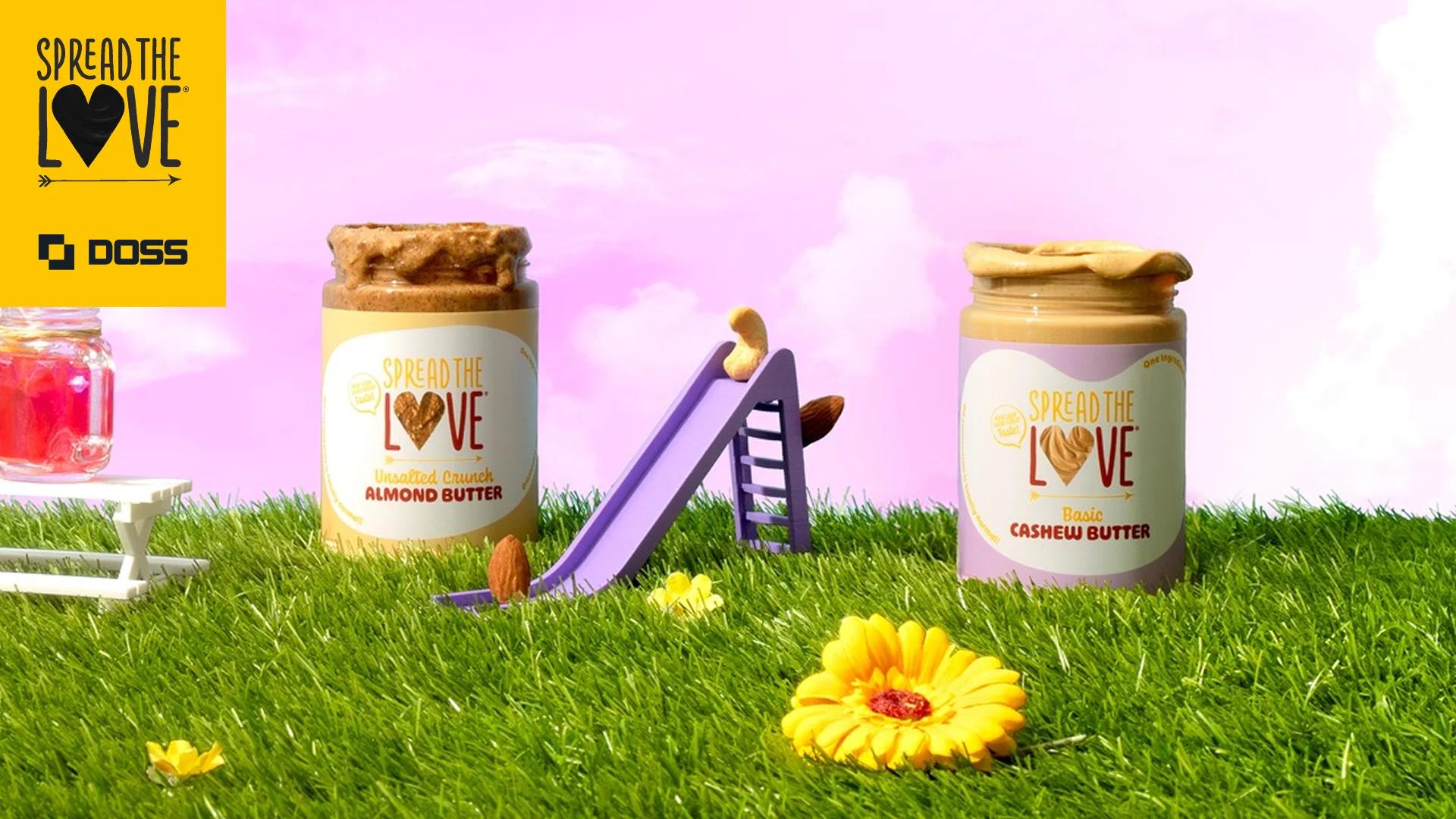
For a baby or kids brand, that means a lot can be traced across every channel it shipped to from a single record, compliance documents can be attached at the SKU and lot level, and a new retail partner's EDI requirements can be configured in-house rather than queued behind a professional services team. At Spread the Love , a consumer packaged goods brand, DOSS's inventory system tracks case and unit-level counts as separate but linked SKUs, so a shipment of 40 cases and 36 jars reconciles accurately instead of requiring a manual fix.
DOSS is worth evaluating alongside the ERPs below if your team is past spreadsheets or a lightweight inventory tool but isn't ready for the twelve-to-eighteen-month implementation timeline that legacy ERPs typically require. It's built for brands in the $50 to $500 million revenue range juggling wholesale, retail, and DTC channels at once.
1. NetSuite
NetSuite is Oracle's cloud ERP and the default choice for many baby and kids brands replacing QuickBooks or a patchwork of point tools. It covers finance, inventory, and order management in one suite, with a large network of implementation partners and pre-built customizations for common industries.
The tradeoff is rigidity and cost once you're live. NetSuite's core data model is dated relative to newer entrants, and workflow or field changes typically route through a consultant rather than an in-house configuration. For a growing baby or kids brand adding new retail partners or compliance requirements every year, that can mean recurring consulting spend just to keep the system current with the business.
2. Cin7 Core
Cin7 Core (formerly DEAR Systems) is an inventory and order management platform built for growing consumer brands selling across wholesale, retail, and DTC. It's a common starting point for kids brands that have outgrown spreadsheets but aren't ready for a full ERP implementation.
Cin7 Core tends to hit a ceiling as SKU count, warehouse count, or channel complexity grows. Brands managing multiple 3PLs, EDI-connected retailers, and detailed compliance documentation per lot often find themselves supplementing it with spreadsheets again, which recreates the reconciliation problem it was meant to solve.
3. Fulfil.io
Fulfil is an API-first ERP built for consumer brands, with particular strength in DTC order orchestration and warehouse management. Brands with a strong e-commerce operation and a smaller wholesale footprint often find it fits well out of the box.
Where it gets stretched is on the compliance and lot-genealogy side that baby and kids brands specifically need. Fulfil's core strength is order and fulfillment speed, not the detailed material-to-finished-good traceability that a recall scenario demands, so brands with heavier compliance requirements often need additional tools alongside it.
4. Katana Cloud Inventory
Katana is manufacturing-focused inventory software built for small to mid-size manufacturers, including kids product brands that produce or co-pack their own goods. Its bill-of-materials and production planning tools are built specifically for physical manufacturing, which many general ERPs treat as a secondary feature.
Katana's finance and procurement functionality is comparatively thin, and it isn't built to handle the full multichannel order complexity that most baby and kids brands manage simultaneously: big-box EDI, wholesale terms, and DTC all at once. Brands typically pair it with a separate accounting or order management system, which reintroduces the reconciliation work a single system is supposed to eliminate.
5. DOSS Operations Cloud
DOSS Operations Cloud rounds out this list as the composable option: a system that adapts to a baby or kids brand's specific lot-tracking, compliance, and channel requirements instead of forcing the business to conform to a fixed template. Where NetSuite asks you to budget for a consultant and Cin7 Core or Fulfil ask you to supplement with spreadsheets as you scale, DOSS is built so operations teams configure those changes themselves as the business changes.
How to Choose the Right Baby Products ERP
Start with your hardest constraint, not your cheapest option. If your compliance and recall-traceability requirements are strict, a system that treats lot genealogy as a first-class record matters more than a lower sticker price. If your channel mix is simple and DTC-heavy, a lighter tool like Fulfil may genuinely be enough.
NetSuite fits brands that want an established platform and have budget for ongoing consulting to keep it current. Cin7 Core and Fulfil fit brands still under the SKU and channel complexity where those platforms start to strain. Katana fits brands whose primary need is production planning rather than full operations management.
Consider DOSS if your brand has outgrown spreadsheets or a lightweight tool, needs lot-level compliance and traceability built into the core system rather than bolted on, and wants to configure workflows in-house as retail partners and compliance requirements change, without a twelve-to-eighteen-month implementation or a standing consulting relationship.
Getting Started
None of these five tools are wrong choices in the abstract. They're built for different combinations of channel complexity, compliance burden, and manufacturing depth. The right one depends on which of those constraints is tightest for your business today, and which one will be tightest in two years, since re-platforming an ERP is not something most operations teams want to do twice.
DOSS Operations Cloud connects procurement, inventory, and orders in a single system built to handle lot tracking and compliance documentation as core functionality rather than a workaround. It integrates with the tools your team already uses and typically gets brands live in months rather than the year-plus timeline legacy ERPs require. If lot traceability and channel complexity are the constraints slowing your team down, it's worth a conversation.
_image0f8.webp)