Ask an operations leader at a $200 million CPG company what happens when they onboard a new co-manufacturer, and you will get a wince before an answer. The new supplier has to enter the system, procurement needs a new approval rule, inventory needs a new location code, and someone has to confirm none of it breaks the reports finance already relies on. In a traditional ERP, that is a change request and a ticket number; in a spreadsheet, it is a new tab and a lot of hope. No-code operations software exists because neither answer is good enough anymore, and the businesses growing fastest are the ones that stopped waiting on IT to catch up with how they actually work.
The businesses feeling this hardest are defined by physical complexity: CPG and food and beverage brands running multiple co-packers, health and beauty companies juggling retail and DTC channels, distributors moving thousands of SKUs through several warehouses. Every one of them adds a supplier, a channel, or a regulation faster than their software can be reconfigured to handle it. That gap is why so many operations leaders are now evaluating ERP alternatives instead of renewing the systems they already have.
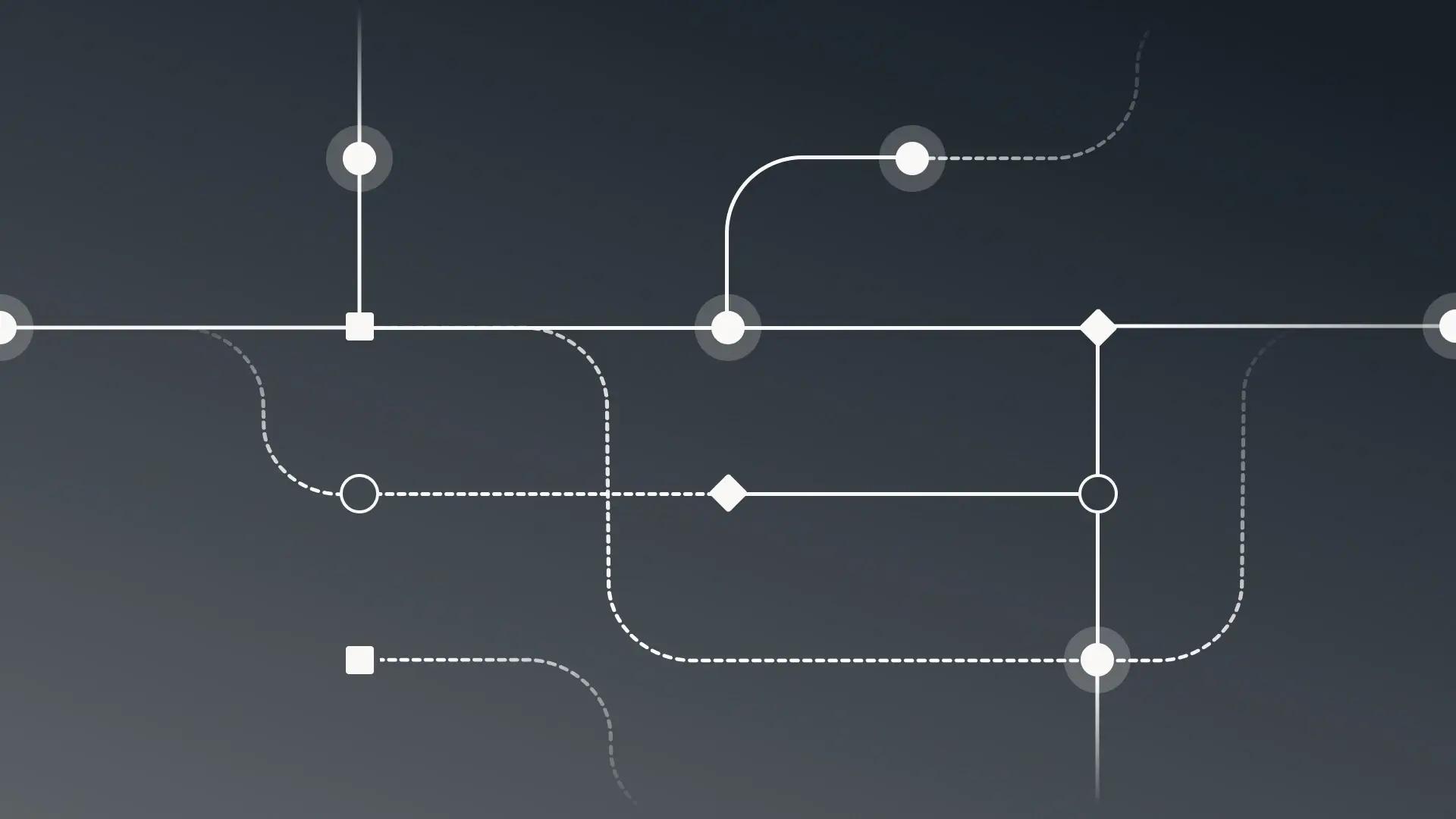
No-code operations software is the term for a specific answer to that gap: an operations platform where the people running the business, not a development team, can change how a process works. Add an approval step, split a purchase order into partial receipts, or route international orders through a separate landed-cost calculation. None of that should require a consultant, a sprint, or a six-month wait, and in a genuinely no-code system, it does not.
What "No-Code" Means in an Operations Platform
No-code is often used loosely, so it is worth being precise. Low-code still assumes a developer: it speeds up custom builds but someone has to write and maintain the underlying logic. No-code removes that dependency for the changes operators make most often. A workflow gets built from configurable steps, not a code repository, so the person who understands the exception (the operations manager who knows why a new distributor needs a different payment term) can implement the fix directly.
This shift is not a niche trend confined to startups. Gartner has projected that the majority of new business applications will be assembled rather than custom-coded , with citizen developers, not IT departments, doing much of that assembly. Operations software is following the same path for a simple reason: the people who know a process best are rarely the people who can code it.
For a physical operation, that means the gap between "we need to change how we handle backorders" and the change actually happening drops from a quarter to an afternoon. The workflow logic lives in a configuration layer anyone with the right permissions can edit, not in code only an engineer can touch.
Why Traditional ERP Systems Cannot Adapt Fast Enough
Legacy ERPs were built around a fixed data model, and every workflow sits on top of that model like scaffolding. Changing the workflow usually means touching the scaffolding, which is why even small changes route through a consultant or an internal dev queue. Panorama Consulting's annual ERP implementation survey has repeatedly found that a meaningful share of organizations exceed either their planned budget or their planned timeline, and that additional customization work is one of the most common reasons why.
That rigidity is the argument for an adaptive ERP, not a marketing label. An adaptive system separates the data foundation from the workflow layer, so a change to how orders route through fulfillment does not require rebuilding how orders are stored. A modern ERP built this way treats configuration as a normal part of running the business, not a project.
The cost is not only the consulting invoice. It is the eighteen months a mid-market distributor spends re-implementing a system that was supposed to save time, during which the operations team runs on workarounds because the "real" fix is still in a project plan.
Why Spreadsheets and Point Solutions Stop Working at Scale
Spreadsheets are fast to build and easy to understand, which is exactly why every growing operation starts with them. They also do not survive contact with real workflows. A purchase order that needs three approvals, a partial receipt against a lead time that shifted mid-shipment, a stockout on one SKU that has to trigger a substitution rule elsewhere: none of that is a formula problem. It is a workflow problem, and spreadsheets do not have workflows, only tabs that do not talk to each other.
Point solutions solve one piece of this and create a new problem in the process. A best-of-breed inventory tool, a separate order system, and a procurement app that does not talk to either one means someone on the team spends hours a week reconciling numbers across systems instead of acting on them. Each tool is fine in isolation. The complexity shows up in the seams between them, particularly once a business adds a second warehouse, a 3PL , or an EDI-connected retail partner.
Custom development sounds like the answer until someone prices it out. A bespoke internal tool solves today's process exactly, then breaks the day the process changes, because the only person who can update it is the developer who built it, and that developer has moved on to the next project.
The Real Problem Is Architecture, Not Features
Every one of these failure modes traces back to the same root cause: the data model and the workflow are welded together. When they are welded together, any change to the workflow risks the data, so every change gets routed through the people who understand the data, which is rarely the people running the operation day to day.
The fix is not another feature: it is separating the two layers so each can move at its own speed. A durable data foundation holds the entities that rarely change: suppliers, SKUs , and locations. A configurable application layer sits on top and handles the workflows that change constantly, things like approval routing, exception handling, and channel-specific logic. Composable architecture like this is what makes real agility possible: the ability to change direction the moment new information arrives, not the quarter after.
This is the reframe that matters for an operations leader evaluating software: stop asking which system has the most features, and start asking which system lets your team change the process without touching the data underneath it.
How DOSS Operations Cloud Puts This Into Practice
The outcome comes first. On DOSS Operations Cloud, a team can change a workflow, add an approval step, or reroute an exception in minutes, without a dev ticket or a consultant call. A distributor onboarding a new 3PL partner configures the new integration and the receiving workflow themselves. A CPG brand adding a private-label channel sets up its own pricing and fulfillment logic without waiting on a services team.
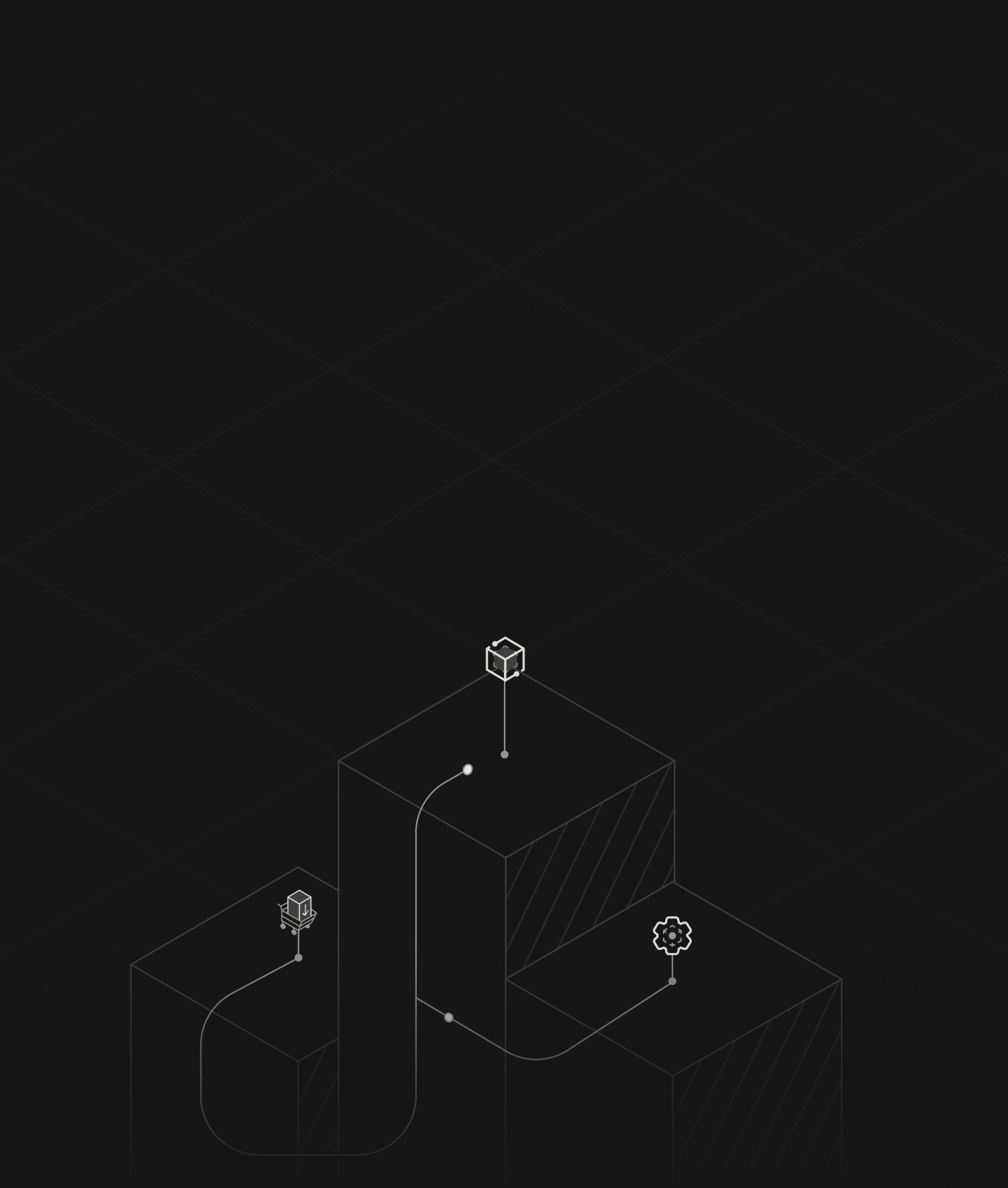
The mechanism behind that is the Adaptive Resource Platform (ARP): composable modules for procurement , inventory , and orders that share a single, governed data foundation called Unified Master Data (UMD). Every module reads from the same UMD, so a new SKU, a revised safety stock target, or a new supplier shows up correctly everywhere else without a separate reconciliation step. No-code forms and workflows sit on top, so operators configure the specifics of their own business without touching the underlying schema. DataStudio turns that same data into real-time margin and performance visibility, and Dossbot, the AI copilot layered across all of it, can execute bulk changes across records through a plain-language request instead of a manual export and re-upload.
None of this requires ripping out what already works. DOSS is built to integrate with the tools a business already runs, not replace all of them on day one.
What This Looks Like for a Real Operation
De Soi, a non-alcoholic aperitif brand, ran into the same wall most fast-growing product companies hit: an ERP that assumed their business ran like everyone else's. As Senior Operations Manager Antonio Landa put it, "A lot of other ERP systems were very rigid and you had to conform around what they'd already built. DOSS was pretty much the opposite. It was very flexible and it molded to our business processes."
That flexibility shows up in hard numbers elsewhere. Mezcla cut its purchase order processing time in half and now saves more than twelve hours a week that used to go into manual reconciliation. Verve Coffee Roasters brought unbatched direct-to-consumer orders down from 30 percent to 1 percent within its first month on the platform. Neither result came from a six-month change management project; it came from a system built so the fix could happen the same week the problem showed up.
The Bottom Line for Operations Leaders
No-code operations software is not a feature checkbox. It is a bet on who should be allowed to change how your business runs: the operator who sees the problem, or the queue of consultants and developers standing between them and the fix. DOSS Operations Cloud connects procurement, inventory, and order management on one adaptive foundation, integrates with the tools already in place, and gets most teams live in months rather than the year or more a traditional ERP re-implementation demands. If your team is still waiting on a ticket to change a workflow that changed weeks ago, that is the actual cost worth measuring, and it is the one an adaptive system is built to eliminate.