A packaging ERP has to do more than track inventory and post journal entries. Container and packaging manufacturers run on spec-driven production: substrate weights, tolerances, tooling changeovers, and customer-specific packaging requirements that shift by SKU and by order. Most general-purpose ERPs were built for discrete manufacturing or basic distribution, not for the combination of formulation, spec management, and co-packer coordination that defines this industry.
That mismatch shows up fast. A plant manager discovers that a "simple" spec change, a new liner material or a revised case count, requires a change request to their ERP vendor and a six-week wait. A controller can't get real-time margin visibility because production data lives in a shop-floor system that doesn't talk to the general ledger. This piece walks through seven ERP platforms that container manufacturer operations teams are evaluating in 2026, what each one does well, and where each one falls short.
What to Look for in a Packaging ERP for Container Manufacturing
Before comparing platforms, it helps to know what actually matters for this industry. Packaging and container manufacturers need a few capabilities that generic ERPs treat as afterthoughts.
Formulation and BOM flexibility matter most. Packaging products often have multi-level bills of materials, built from substrate, adhesive, ink, and tooling that change by customer and by run. An ERP that treats a BOM as a static record forces your team to build workarounds in spreadsheets the moment a customer requests a variant.
Lot tracking is close behind. Raw material lots (resin, board stock, film) need to trace forward into finished goods for quality holds and customer audits. Spec and tolerance management is a related but distinct need: caliper, basis weight, and dimensional tolerances have to live in the system, not in a QA binder.
Finally, most packaging manufacturers work through a mix of direct customers, co-packers, and distributors, which means purchase order and supply chain management workflows need to flex across multiple fulfillment models without separate systems for each one.
Integration depth is the piece that's easy to underweight during a demo and expensive to discover missing after go-live. A converter running EDI with a handful of retail customers, coordinating production with two or three co-packers, and shipping through a mix of owned trucks and 3PL partners needs those connections to sync in real time. When they don't, someone on the team ends up re-keying order data by hand, and the ERP becomes another system to reconcile instead of the one your operation runs on.
A Third Option: DOSS Operations Cloud
Most of the platforms below fall into one of two camps: legacy ERPs built decades ago for generic manufacturing, or newer point solutions that solve one piece of the puzzle and leave the rest to spreadsheets. DOSS Operations Cloud is a third option worth understanding before you evaluate the rest of this list.
DOSS is an AI-native, composable alternative to legacy ERP, built for physical product businesses that manage the flow of goods, dollars, and data across procurement , inventory , and orders . Instead of a fixed data model that forces your operation into a generic manufacturing template, DOSS runs on a composable schema: procurement, inventory, and production workflows adapt to how your plant actually runs, and changes that would take a legacy ERP vendor months take minutes. Unified Master Data maps your specs, substrates, and SKUs into one governed catalog, so a spec change on a customer's packaging doesn't require rebuilding reports across three disconnected systems.
For a container or packaging manufacturer evaluating a rip-and-replace or running alongside an existing system to plug gaps, DOSS is worth a look specifically because it doesn't force a choice between flexibility and structure. You get real-time margin and inventory visibility without giving up the ability to change a workflow the day a customer changes a spec.
The 7 ERPs to Evaluate for Packaging and Container Manufacturers
1. DOSS Operations Cloud
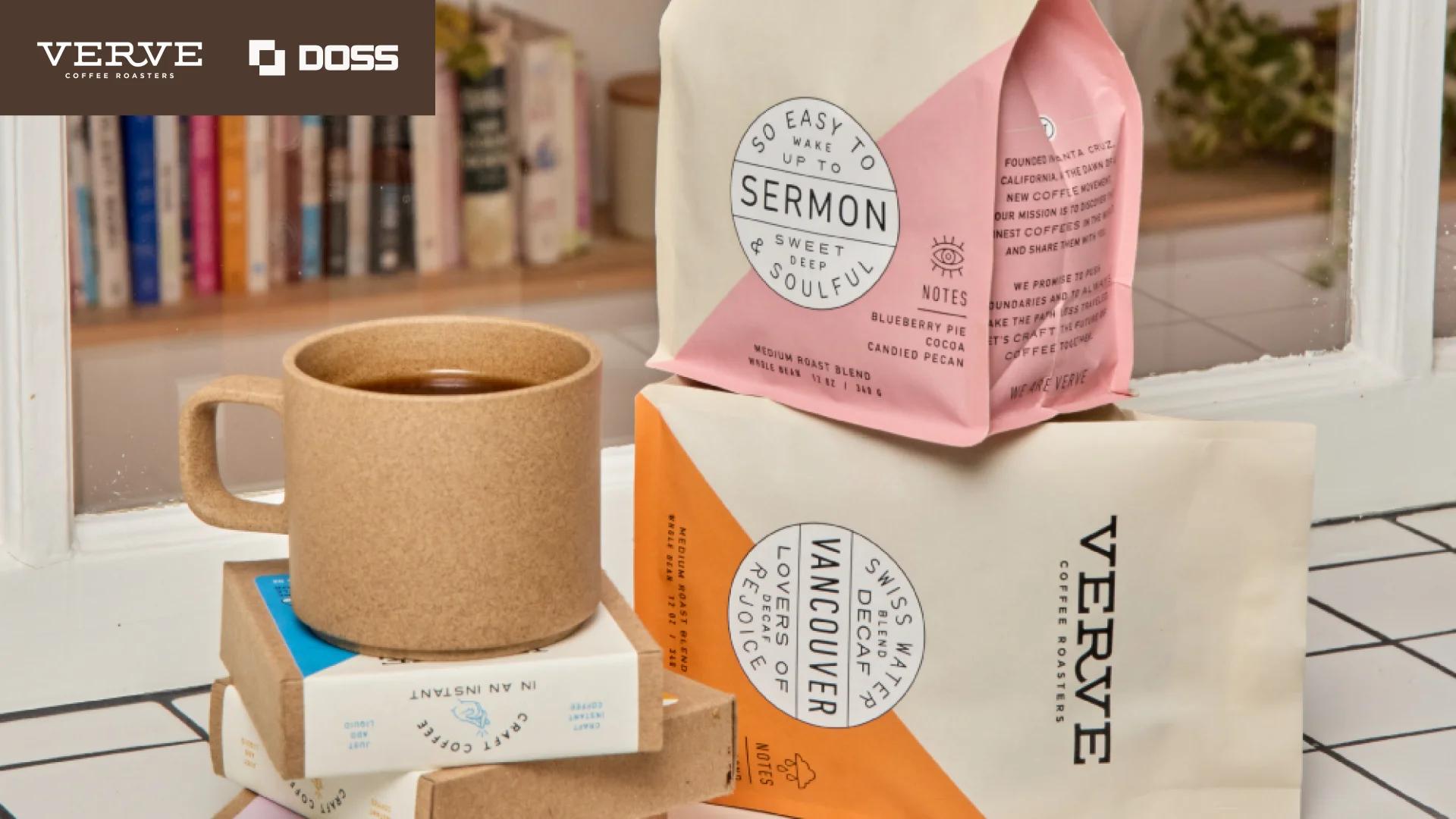
Best for teams that have outgrown spreadsheets or hit the ceiling on a rigid legacy system. DOSS customers have seen concrete results from this kind of flexibility: Verve Coffee Roasters cut unbatched DTC orders from 30% down to 1% and saved 20-plus hours a week across its manufacturing team in the first weeks on the platform. Spread the Love processes invoicing 12 times faster since switching, with pack-level inventory tracked accurately even when case counts change mid-run.
2. NetSuite
NetSuite is the most widely deployed mid-market ERP and a common incumbent for manufacturers replatforming off QuickBooks. Its general ledger and financial reporting are mature, and its network of implementation partners is large. For packaging-specific needs, NetSuite typically requires add-on modules for lot tracking and spec management, and configuration changes often route through a solution provider rather than an in-house admin, which slows down the kind of frequent spec adjustments this industry deals with.
3. SAP Business One
SAP Business One serves mid-size manufacturers, often ones with a parent company or customers already standardized on SAP. It handles core production and financials solidly. The tradeoff is rigidity: customizing workflows for packaging-specific requirements like tolerance tracking or co-packer coordination usually means bringing in a certified consultant, and that dependency compounds every time your process changes.
4. Epicor Kinetic
Epicor Kinetic leans into shop-floor execution and MES-style production tracking, which appeals to converters running complex machine schedules. It's built for manufacturing broadly rather than packaging specifically, so spec and formulation management often needs custom configuration on top of the base platform, and implementations tend to run long for mid-market teams without a dedicated IT function.
5. Infor CloudSuite Industrial (SyteLine)
Infor CloudSuite Industrial, built on the SyteLine platform, handles both discrete and process manufacturing, which fits some packaging converters reasonably well. Its interface and workflow builder feel dated compared to newer platforms, and users commonly report that third-party integrations, especially with EDI partners and 3PLs, need ongoing maintenance rather than working natively out of the box.
6. Deacom (ECI Software Solutions)
Deacom was purpose-built for process manufacturers and has a real following among packaging and converting operations because of its formulation and recipe management depth. Since its acquisition by ECI Software Solutions, some longtime users have reported slower release cycles and less responsive support as Deacom gets folded into a broader product portfolio, which is worth asking about directly in any sales conversation.
7. Global Shop Solutions
Global Shop Solutions is a shop-floor-first ERP that's popular with smaller manufacturers who want production scheduling and quoting in one system without enterprise-level cost. It's lighter on financial depth and procurement workflow complexity, so packaging manufacturers with multi-entity operations or complex vendor terms often end up supplementing it with a separate finance or procurement tool.
How to Choose the Right Packaging ERP for Your Operation
The right answer depends less on feature checklists and more on how your operation actually changes over time. If your specs, customer requirements, and production processes are relatively stable, a mature platform like NetSuite or SAP Business One with a strong implementation partner can work well, provided you're comfortable with a slower change-request cycle for anything new.
If formulation and recipe management is your core challenge and you don't expect to need much finance-side flexibility, Deacom's process-manufacturing depth is hard to match, budget and support responsiveness questions aside. If you're running lean and need shop-floor scheduling more than deep financial controls, Global Shop Solutions or Epicor Kinetic are reasonable starting points.
Consider DOSS if your packaging specs, customer mix, or production workflows change often enough that a months-long change request cycle is itself the problem. Teams that need real-time margin visibility across procurement, inventory, and orders, without waiting on a vendor's release calendar to reflect how their plant actually runs, tend to get the most value from a composable system built for that kind of change.
Implementation timeline is worth weighing as heavily as any feature on this list. Legacy ERP rollouts in manufacturing commonly stretch past a year once customization and consultant scheduling get factored in, and every month of implementation is a month your team is still running the old process alongside the new one. Ask each vendor for a realistic go-live date based on your actual plant, not their average customer, and ask what happens to your timeline the first time your requirements change mid-implementation.
Conclusion
None of these seven platforms is wrong for every packaging or container manufacturer. The mismatch happens when a plant picks a system built for a different kind of manufacturing and then spends the next two years building workarounds for spec changes, co-packer coordination, or lot-level traceability the platform never anticipated.
DOSS Operations Cloud is built for operators who need that flexibility without giving up financial control: procurement, inventory, and orders connect in one system, configuration changes happen in minutes instead of through a change request queue, and implementation runs in months, not years, because the same team that builds the product manages your rollout. If you're evaluating a replacement or a system to run alongside what you already have, that's worth a conversation before you sign another multi-year contract with a platform that wasn't built for how your plant runs.